In contemporary conflicts, the use of digital technologies has transformed the way territory is analyzed, interpreted, and traversed: surveillance, tracking, and classification systems produce a reading of space based on operational parameters rather than experiential dimensions. This tendency toward the datafication of territory redefines the relationship between places, actions, and subjects, contributing to processes of deterritorialization that precede the communicative forms through which war is subsequently represented. In the Ukrainian conflict, these dynamics are particularly evident. Geolocation devices, HUDs, telemetry, and operational documentation protocols transform territory into a set of coordinates, targets, and priorities for action, reducing the perception of places to data surfaces. On this basis, Okraiina was developed, a communication design project for the territory that uses gamification as a critical language to make visible the implicit playful structure of digital warfare systems. Through an interactive multi-screen installation, the project confronts the user with the gap between the rigidity of operational data and the fragility of the experienced territory, overturning a logic born to classify and order space into a tool of perceptual awareness.
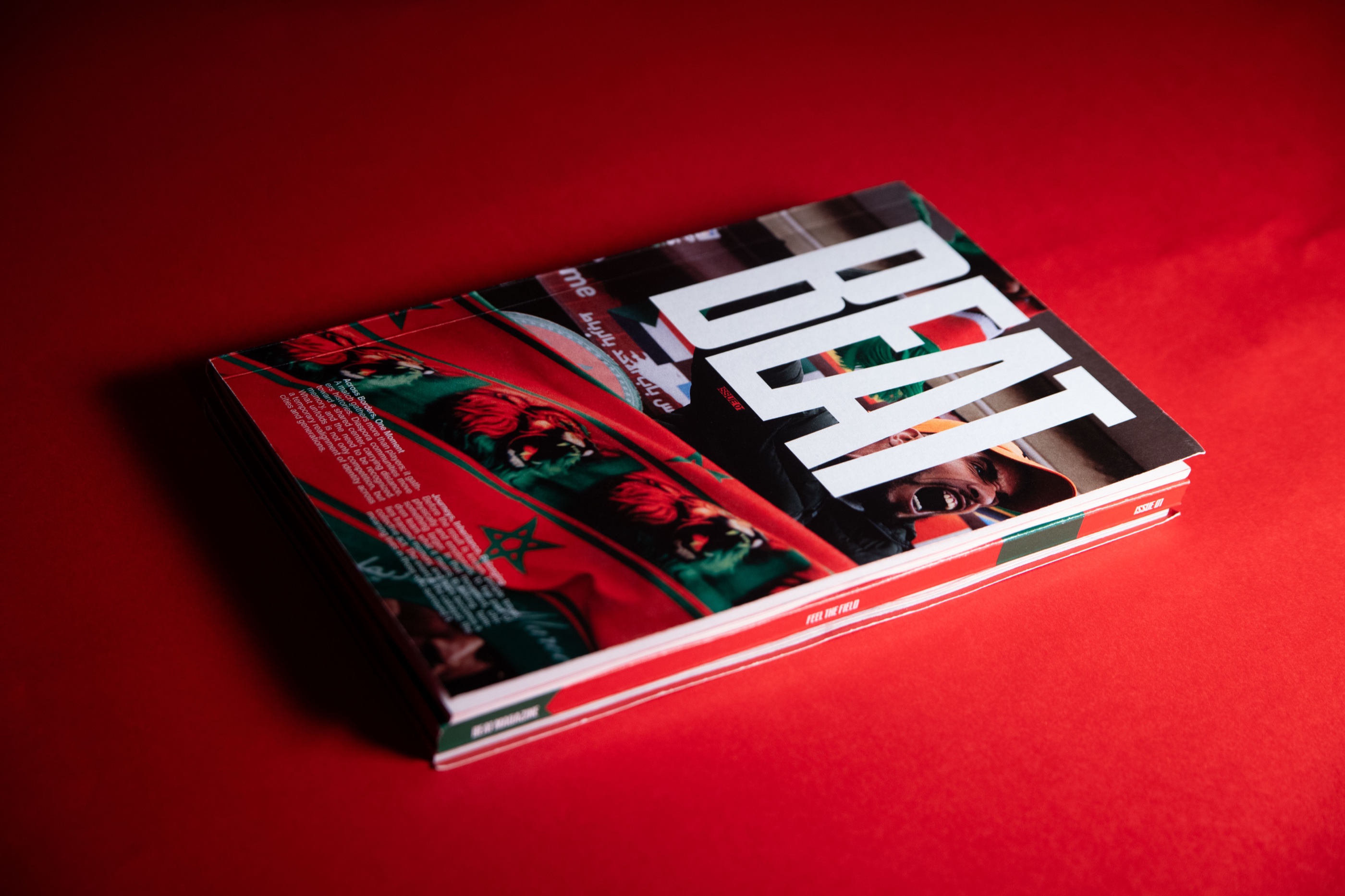
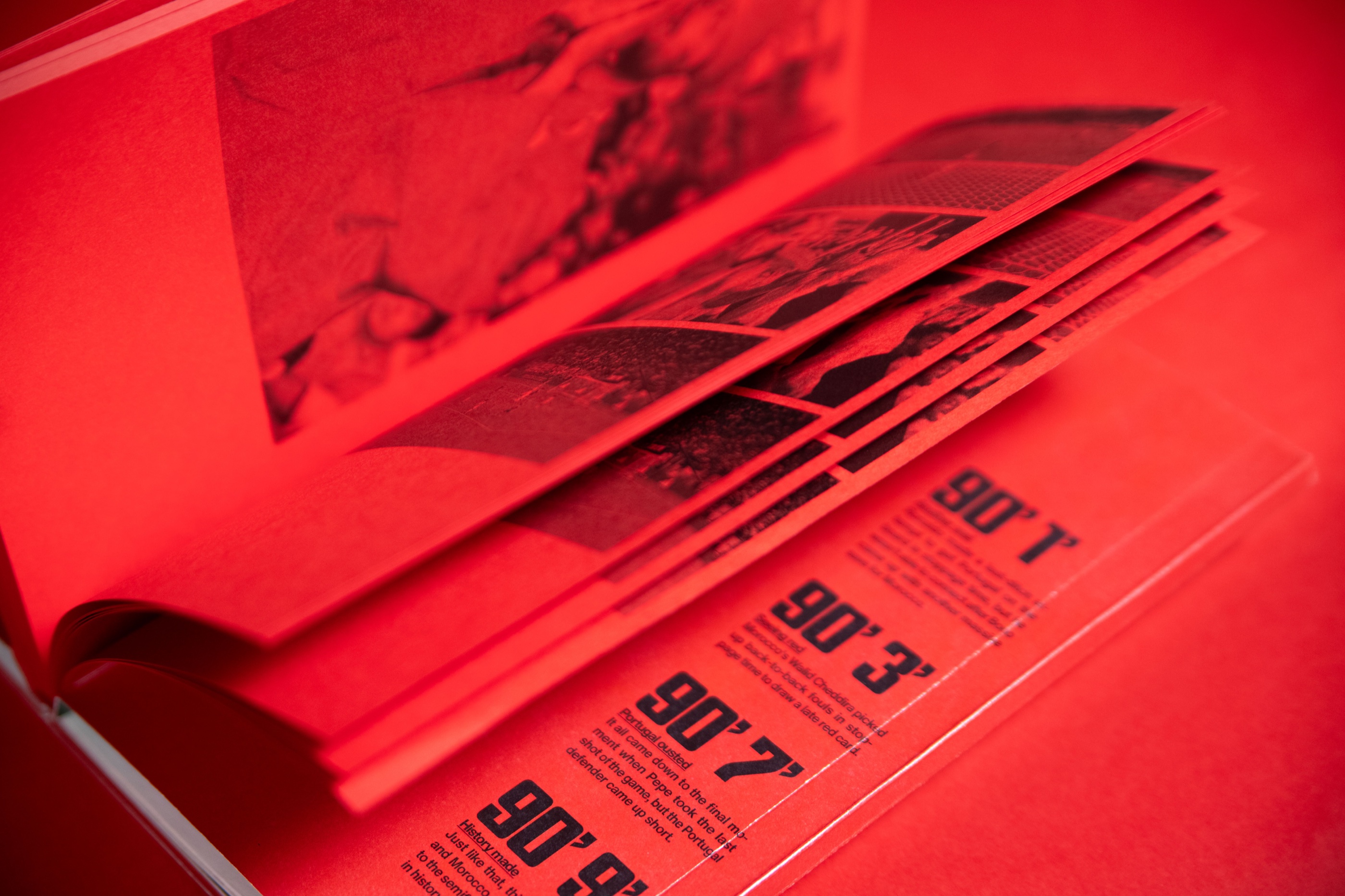

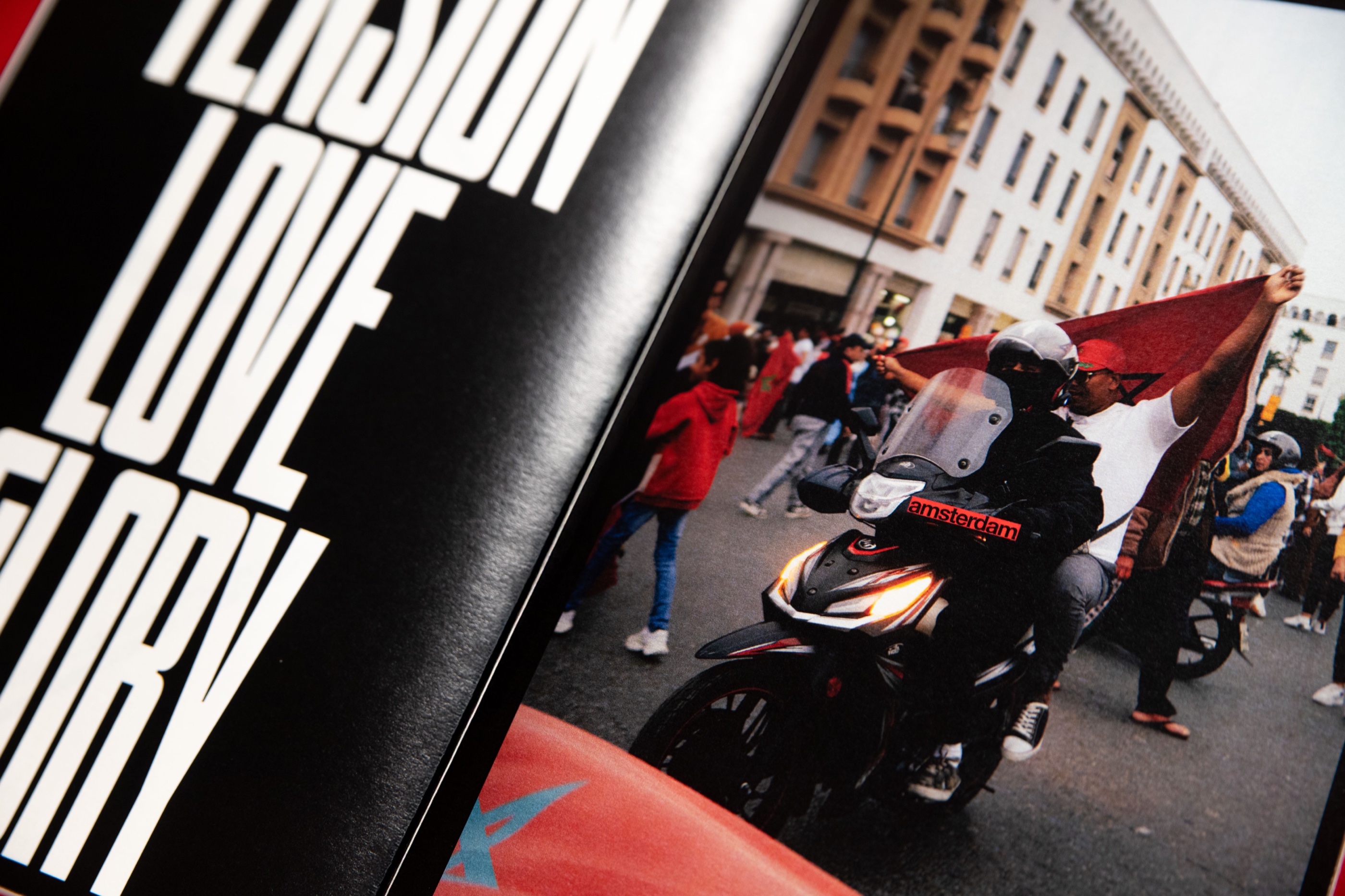

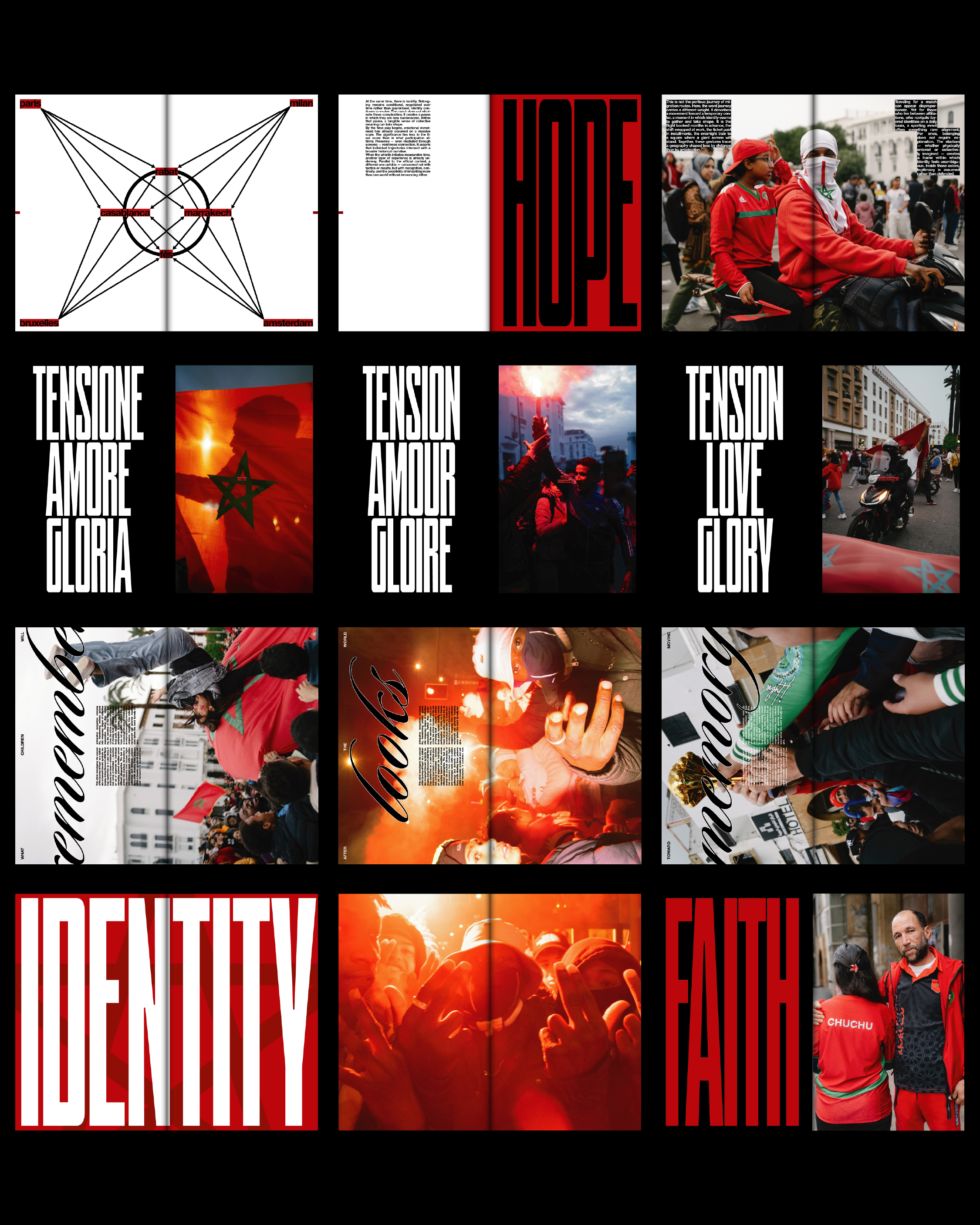
BEAT is an independent magazine developed during a week-long workshop at Politecnico di Milano, led by Jeremy Leslie, founder of magCulture. The magazine is conceived as the first issue of an editorial series where iconic sporting events become entry points to explore broader human dynamics. Rather than focusing on sport as competition alone, BEAT looks at the emotional, social, and political forces that gather around moments of collective tension and release. Each issue of the series revolves around a single match, victory, or turning point in sports history. Through photography, visual narratives, and editorial experimentation, the magazine uses these events as narrative devices to uncover deeper stories of identity, belonging, conflict, celebration, and memory.

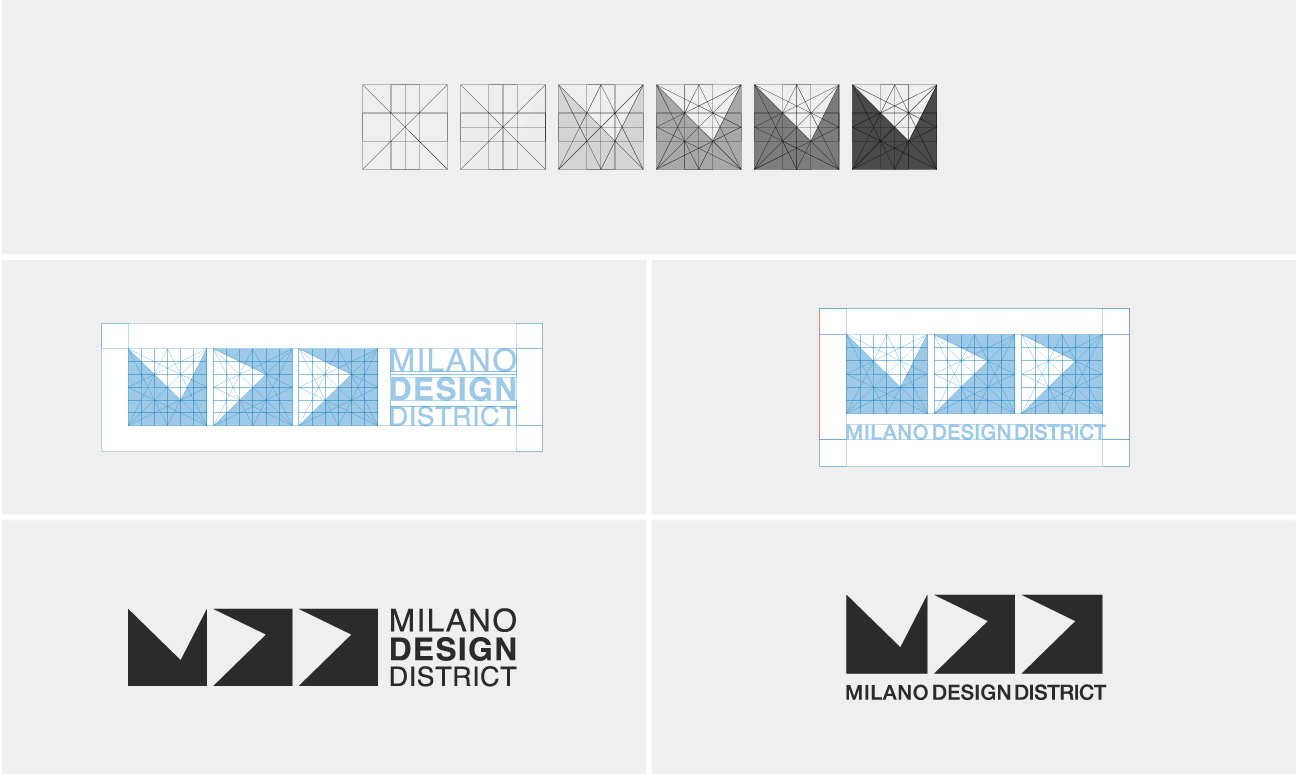
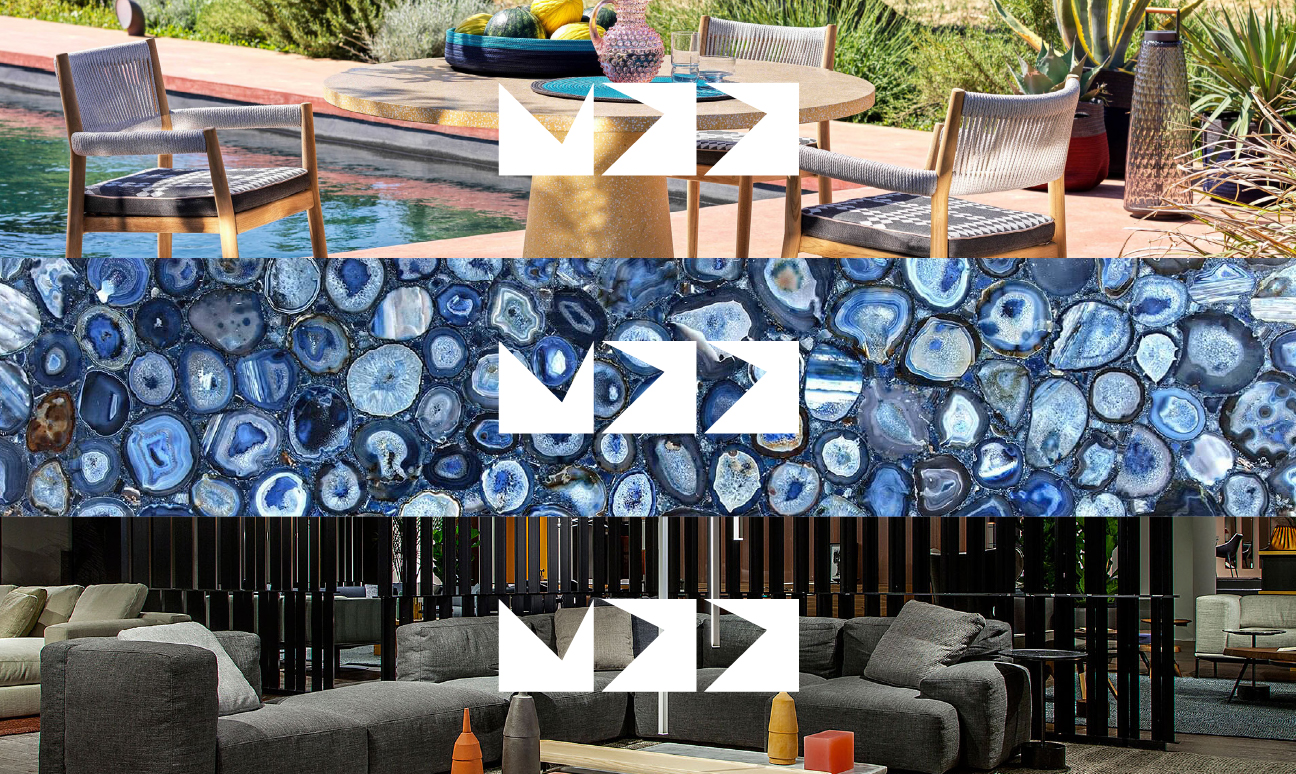

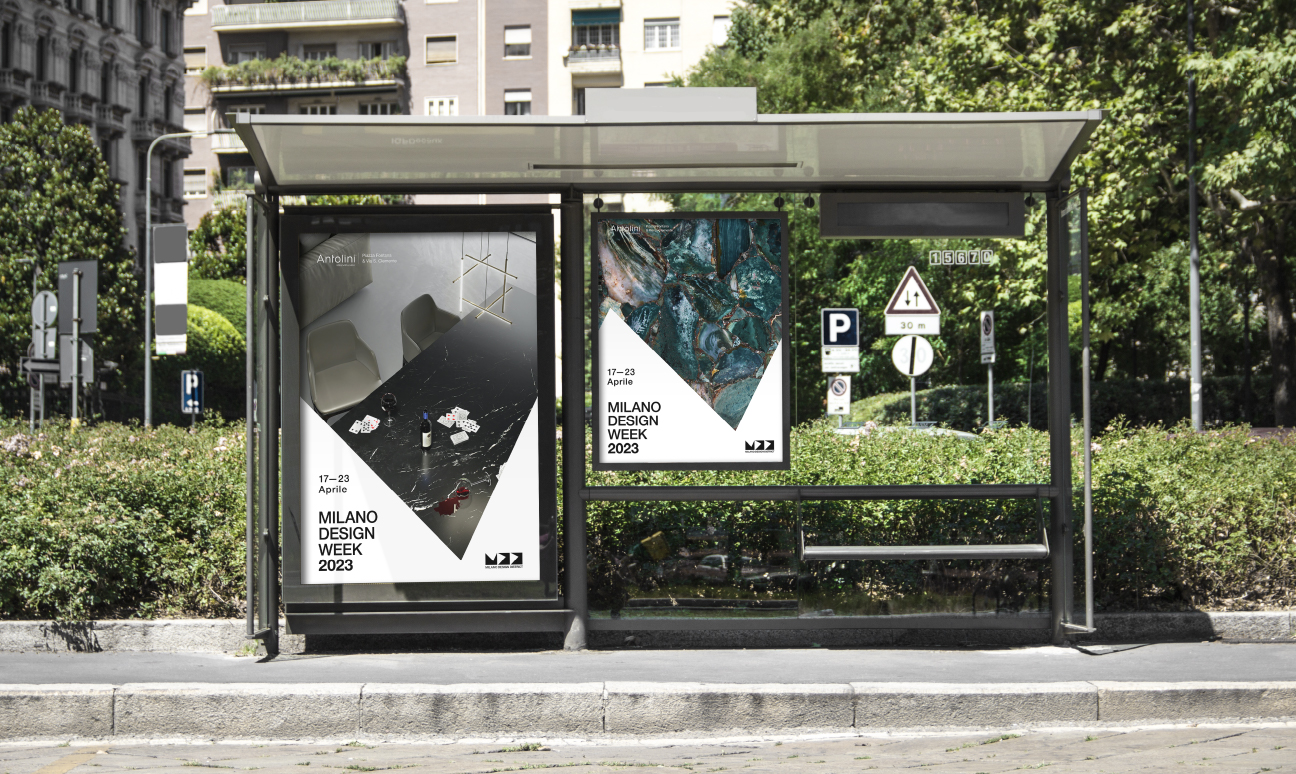
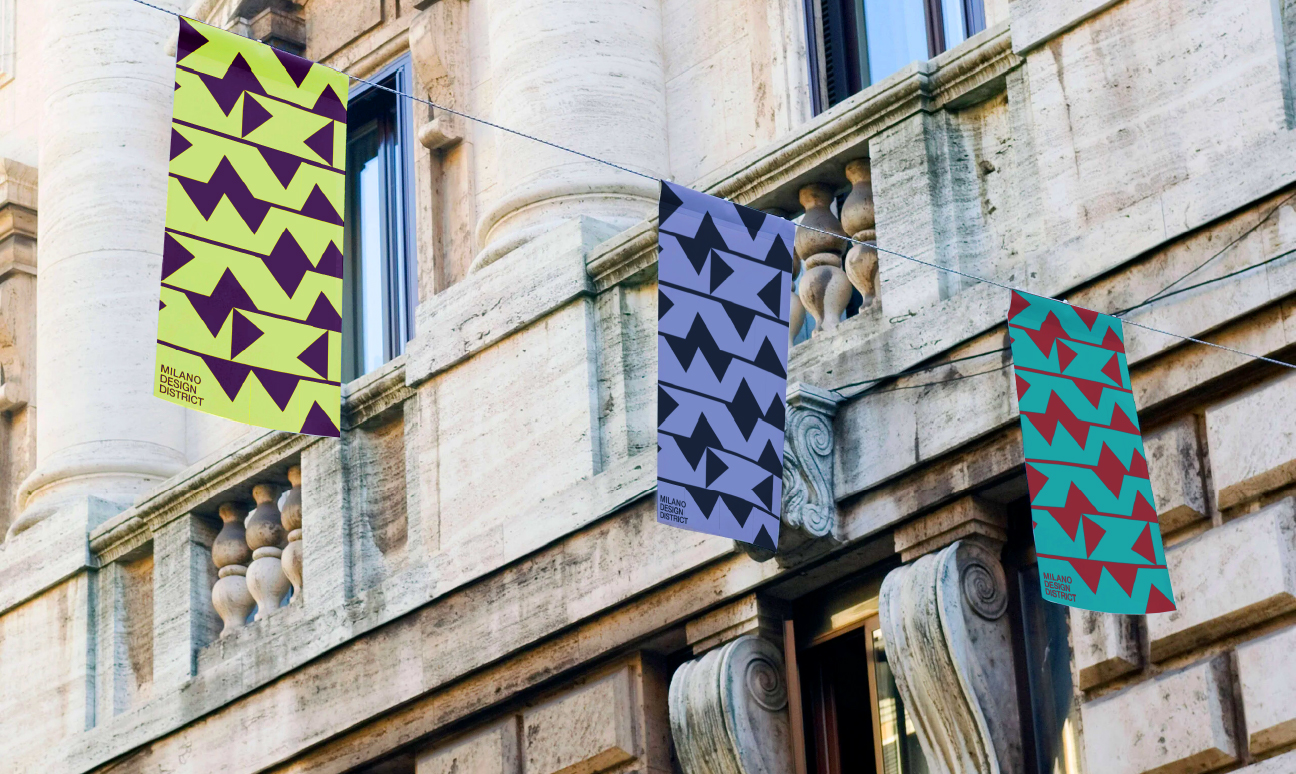
Project ranked third in the open call for the rebranding of Milan's Durini Design District for the 2023 Milano Design Week. The project communicates, through the visual identity of the Milano Design District, the cohesion and collaboration among the main design flagship stores in the city center. The identity conveys the core values of design, simplicity and elegance, through its geometry. A structured and rigorous grid serves as the framework for the modular elements of the logo, patterns, and pictogram system. Dynamism emerges from the movement and recombination of the basic modules, generating numerous compositions that express creativity and multiple interpretations of form. Each of the district's five business sectors (interior, exterior, lighting, tech, and material) is associated with a distinctive color pair.
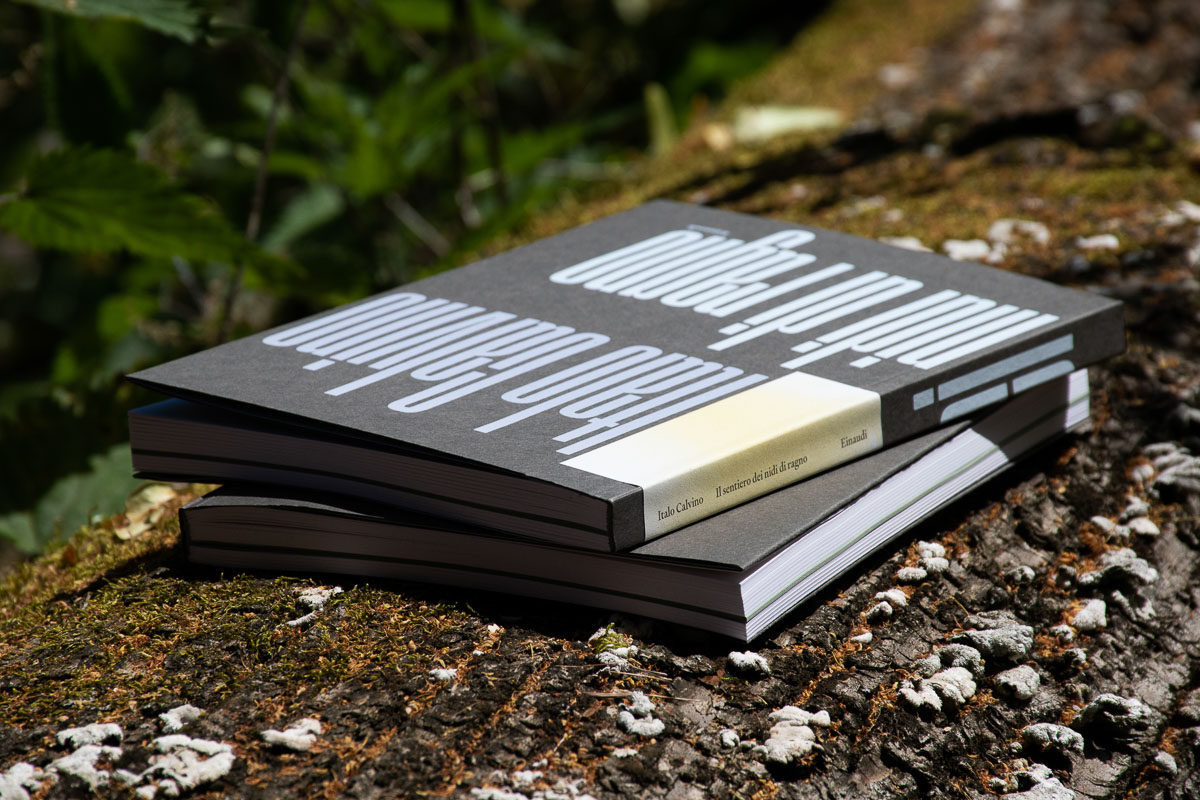
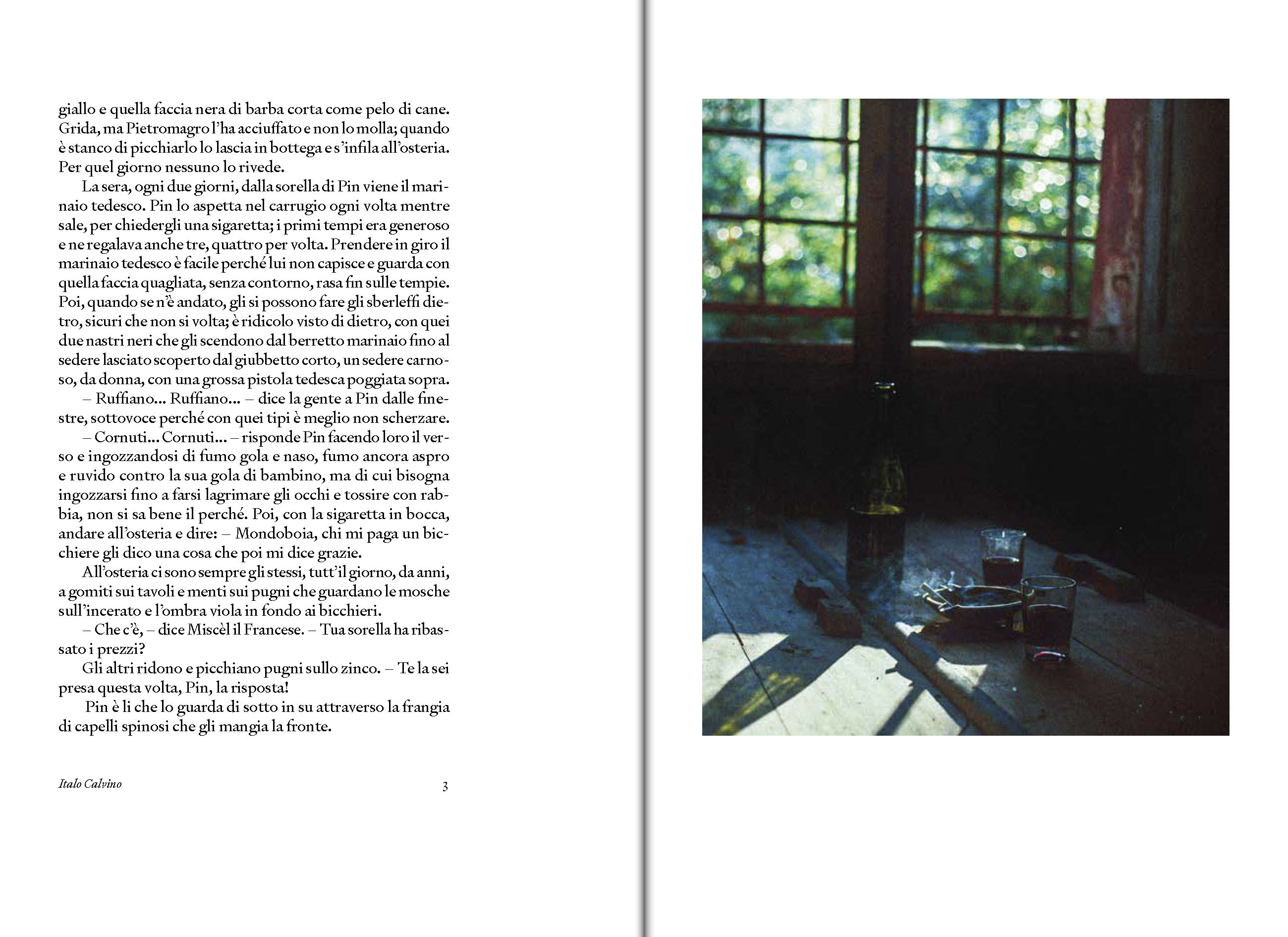
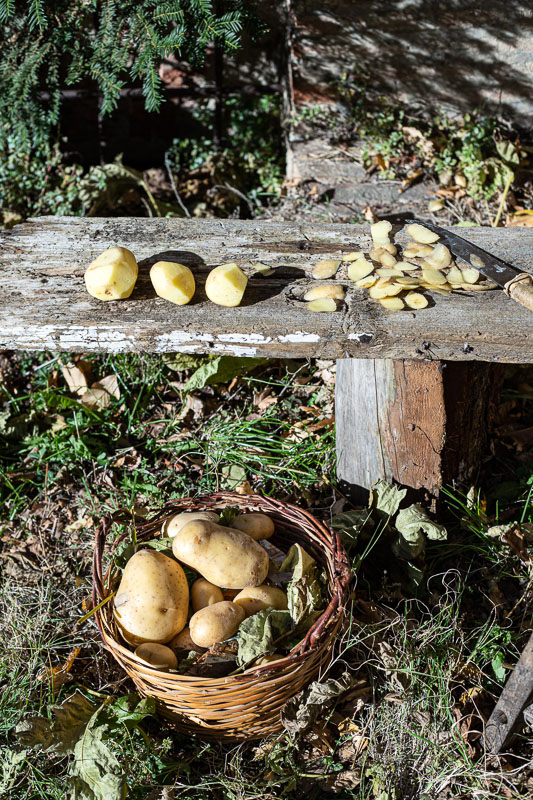
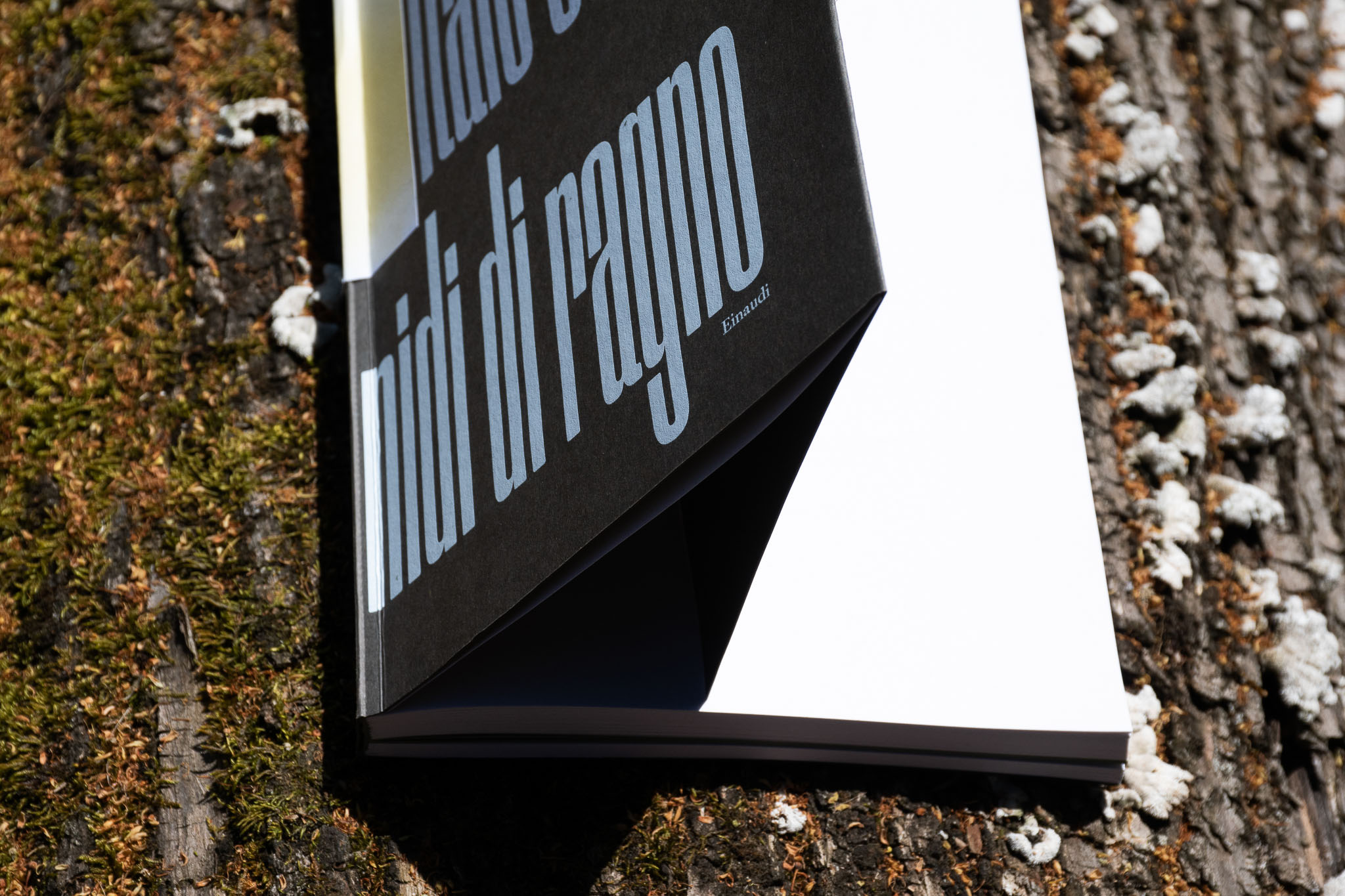
Calvino’s The Path to the Nest of Spiders is reinterpreted through photography, translating its figurative language into a visual sequence. Rather than illustrating the story literally, the images evoke its landscapes, characters, and atmospheres, extending the book’s imaginative world into a photographic form. Each photograph resonates with the spirit of the text, offering visual cues that deepen immersion and open a dialogue between literature and image.

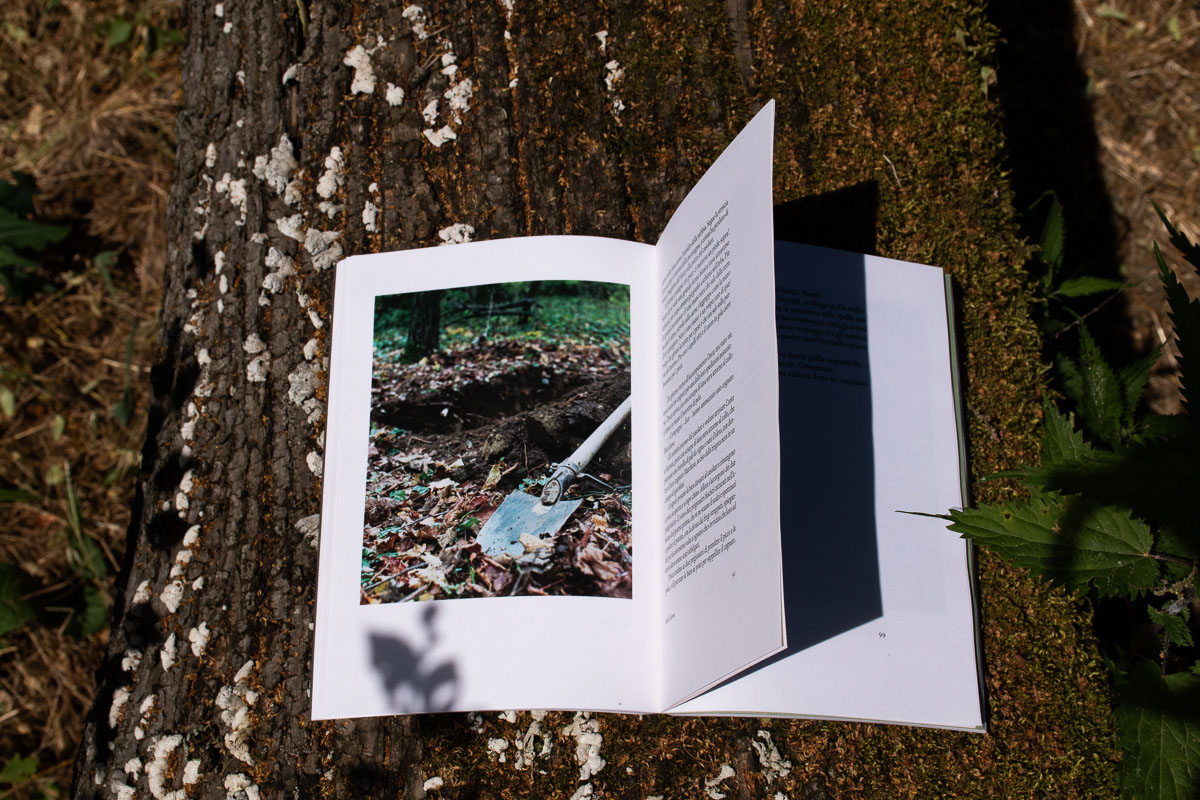
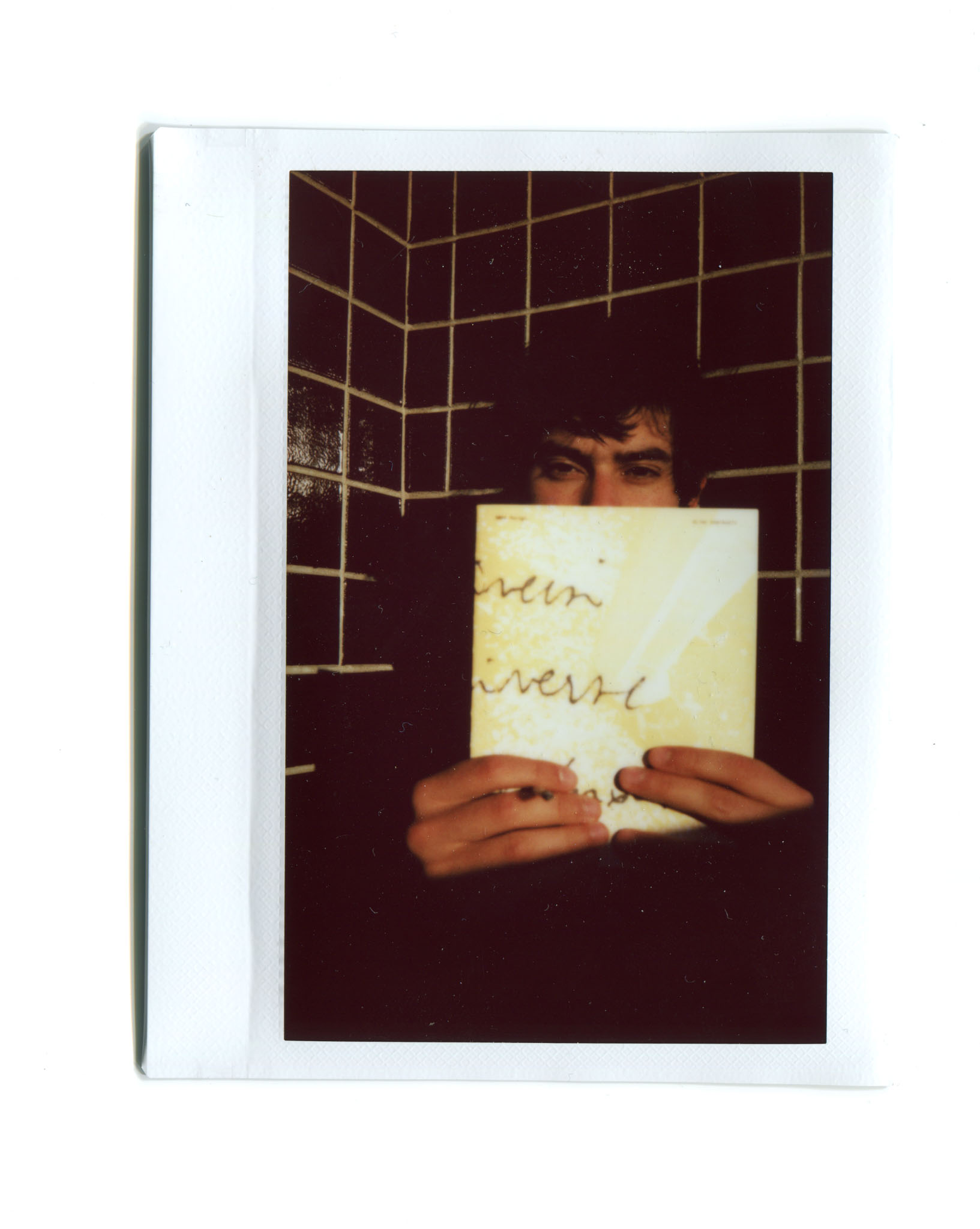
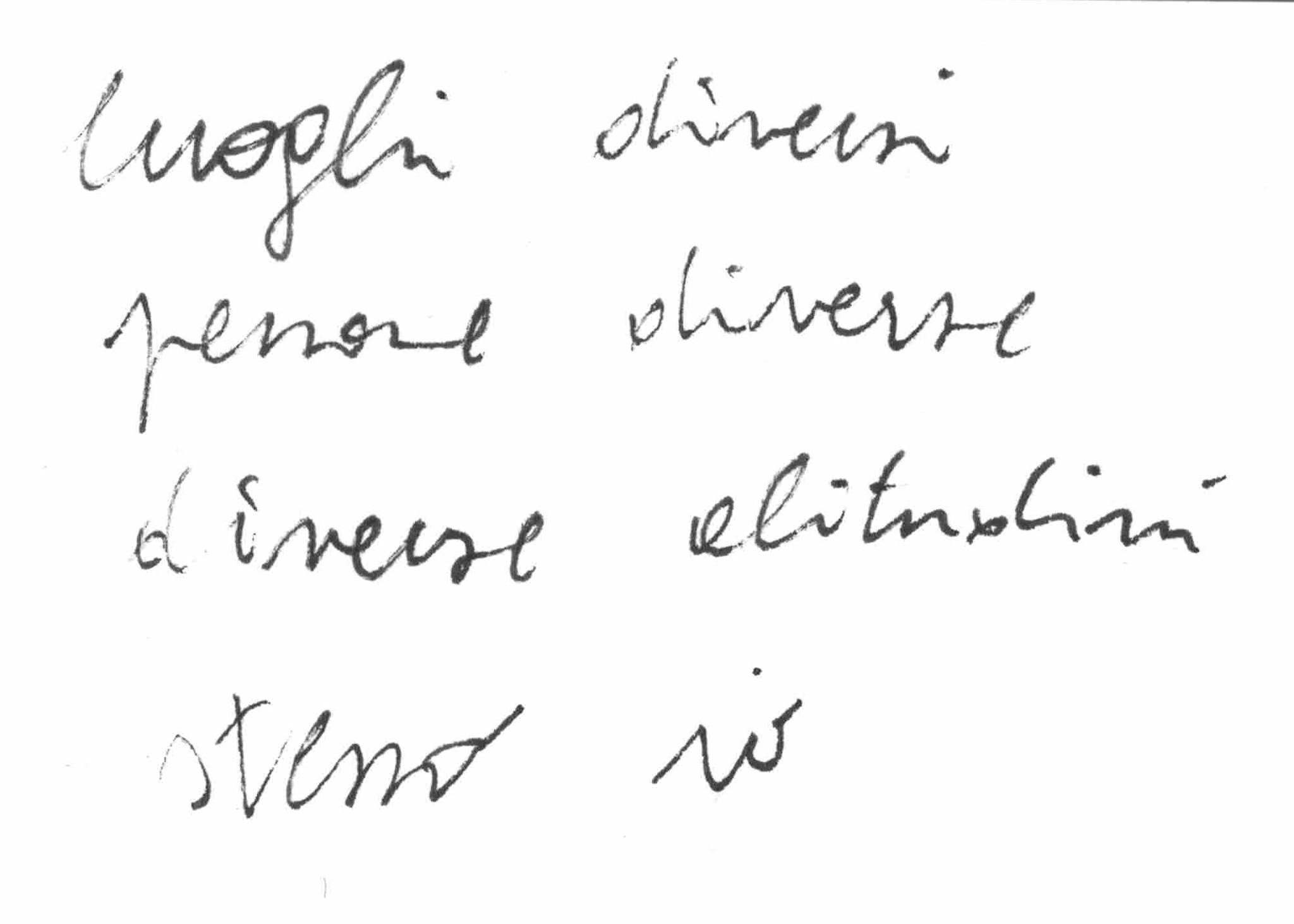
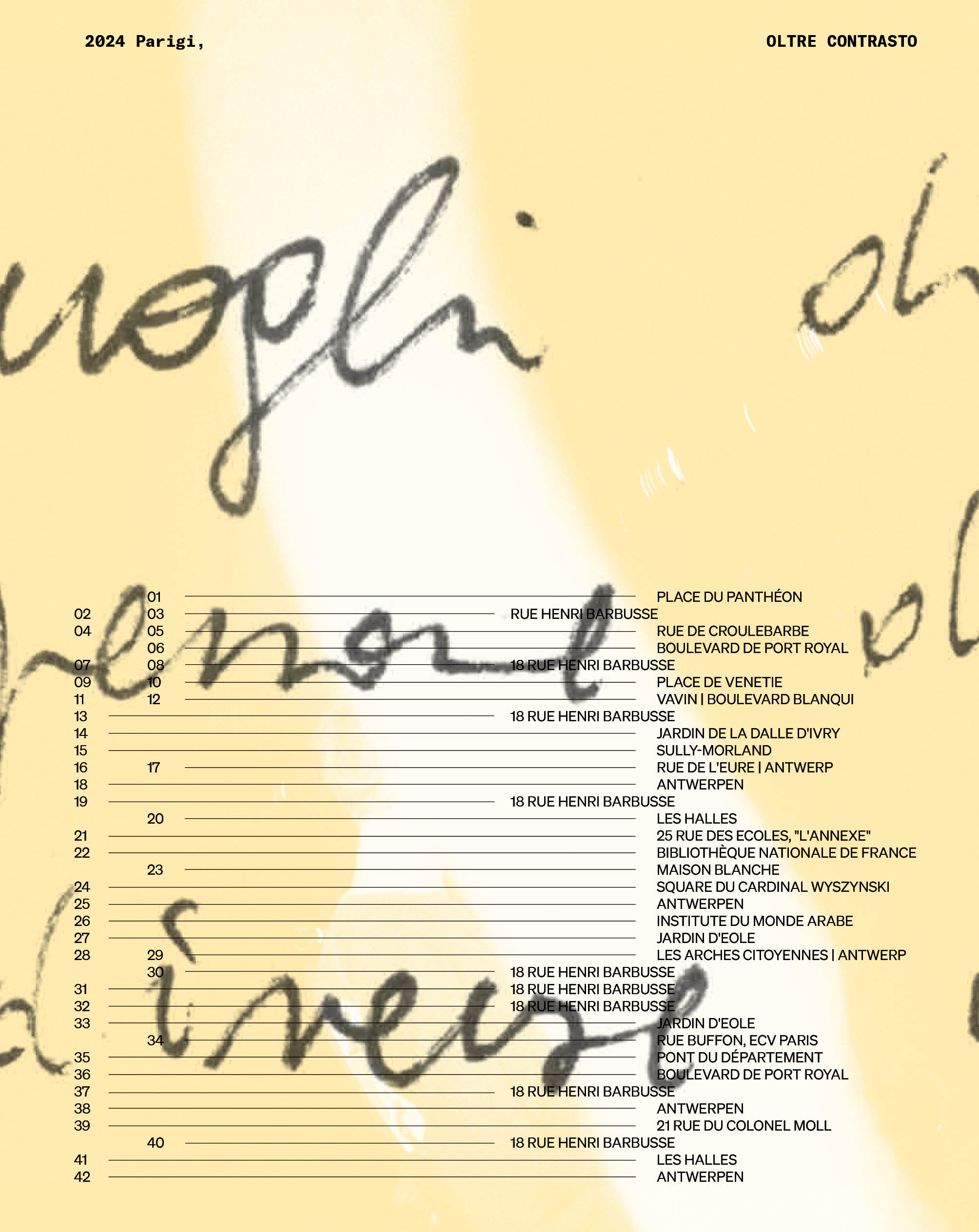
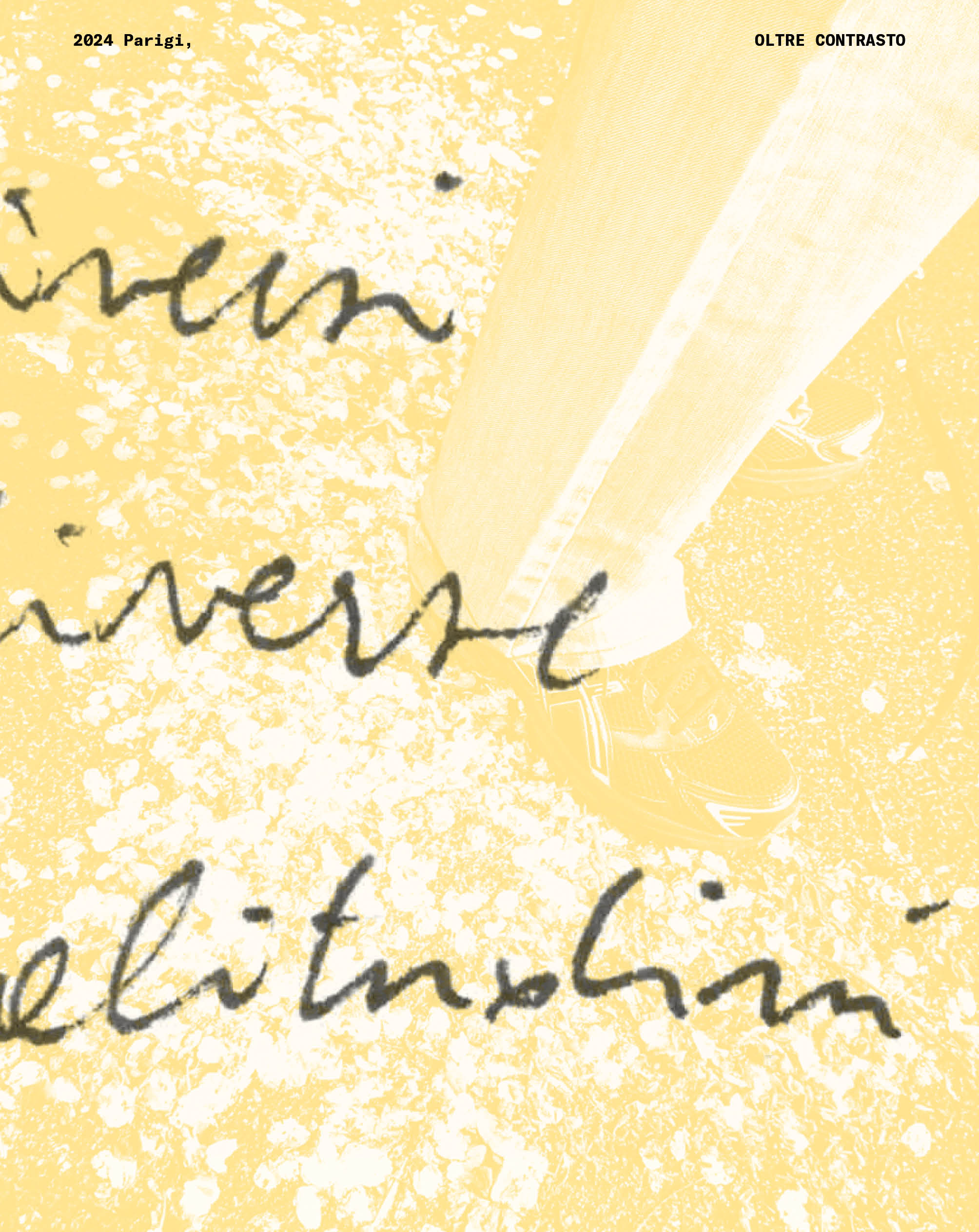
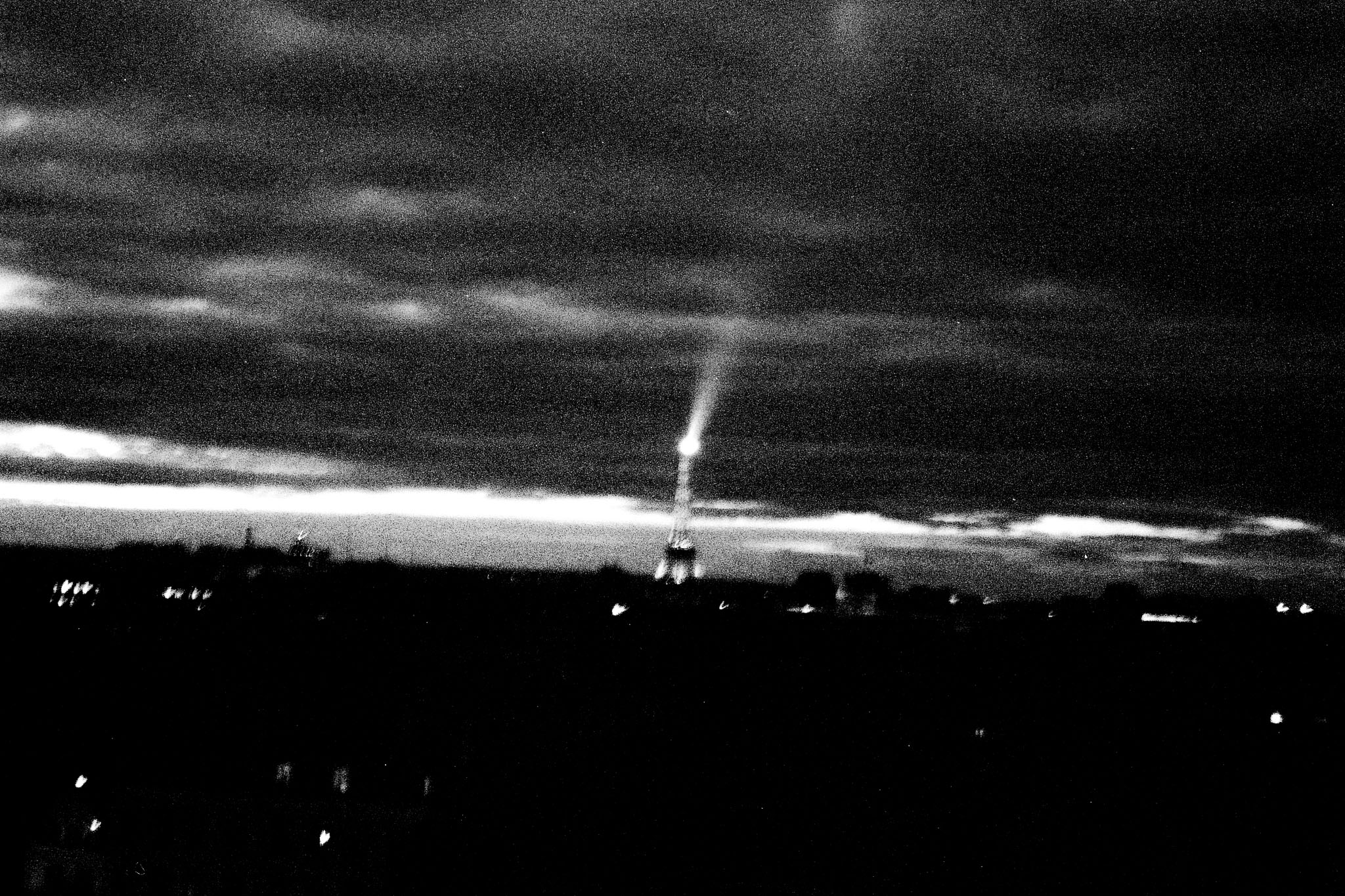
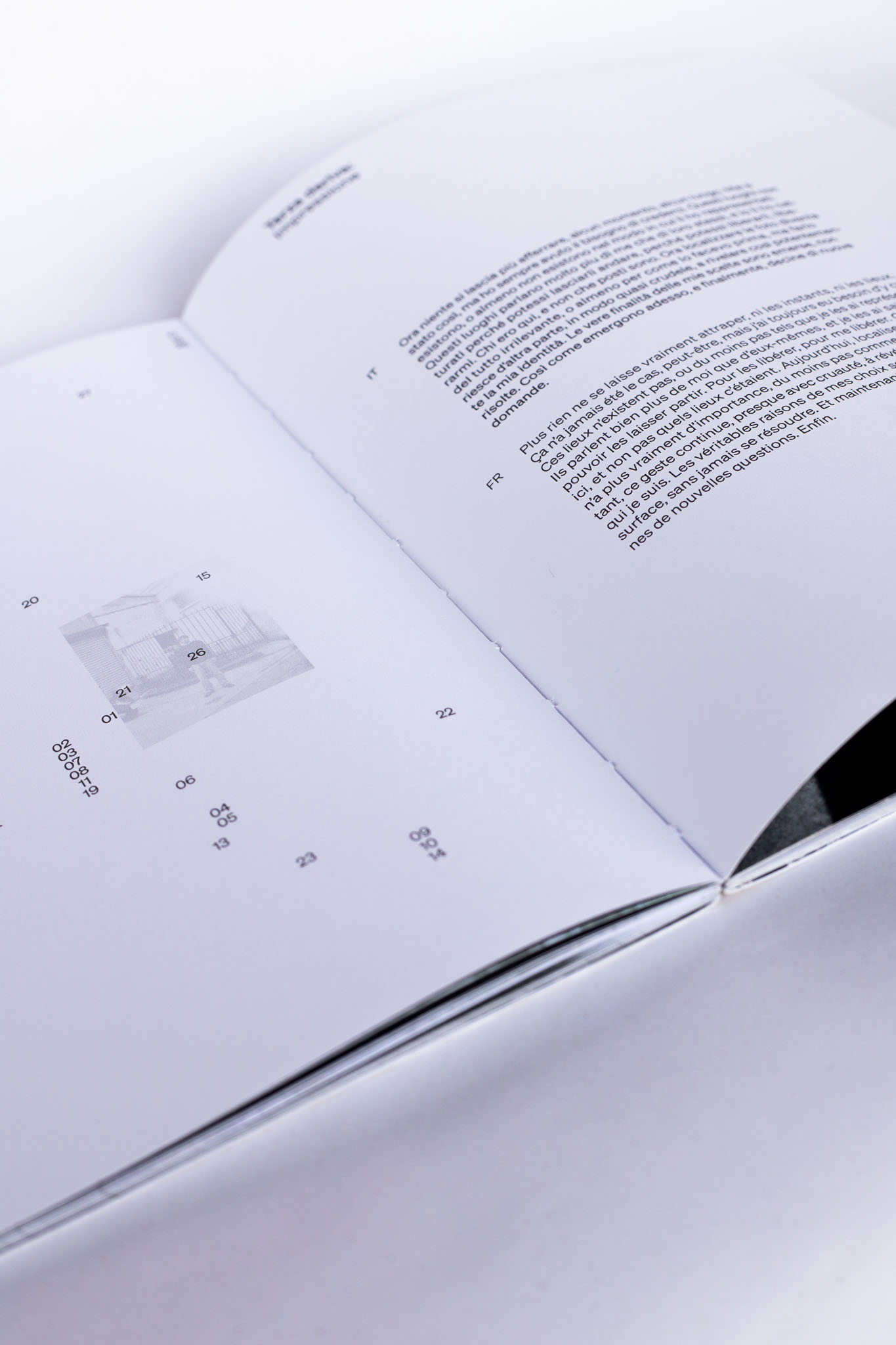
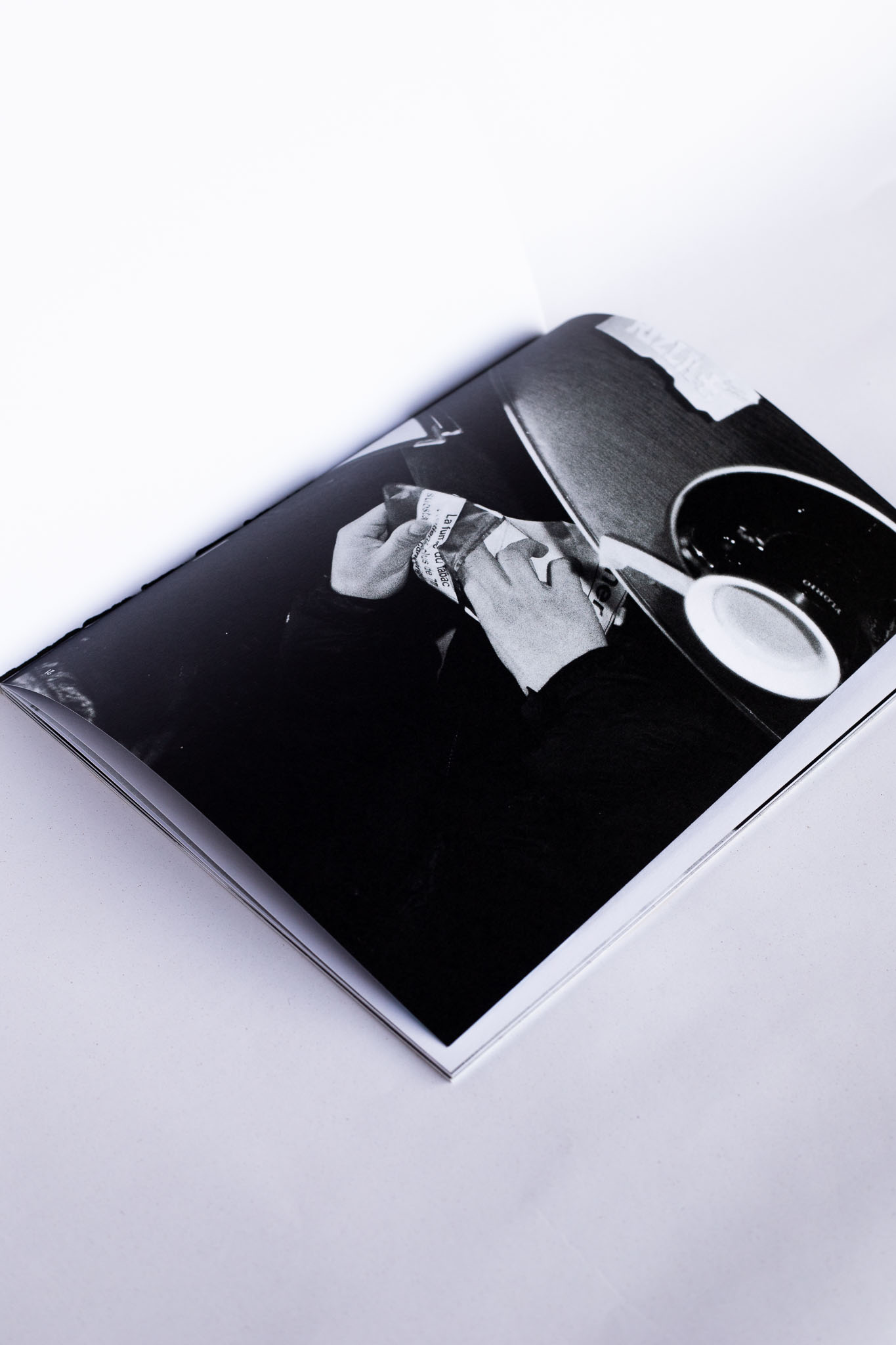
“Oltre Contrasto” marks a shift from the impulse to surpass limits to the need to recognize and inhabit them. The work is not about overcoming boundaries, but about understanding their presence and meaning. It traces a movement away from transcendence and toward humility, confronting what is often resisted: vulnerability, fear, and exposure. Rather than seeking an escape from the human condition, “Oltre Contrasto” returns to it, embracing fragility, imperfection, and the unresolved as essential parts of being human.
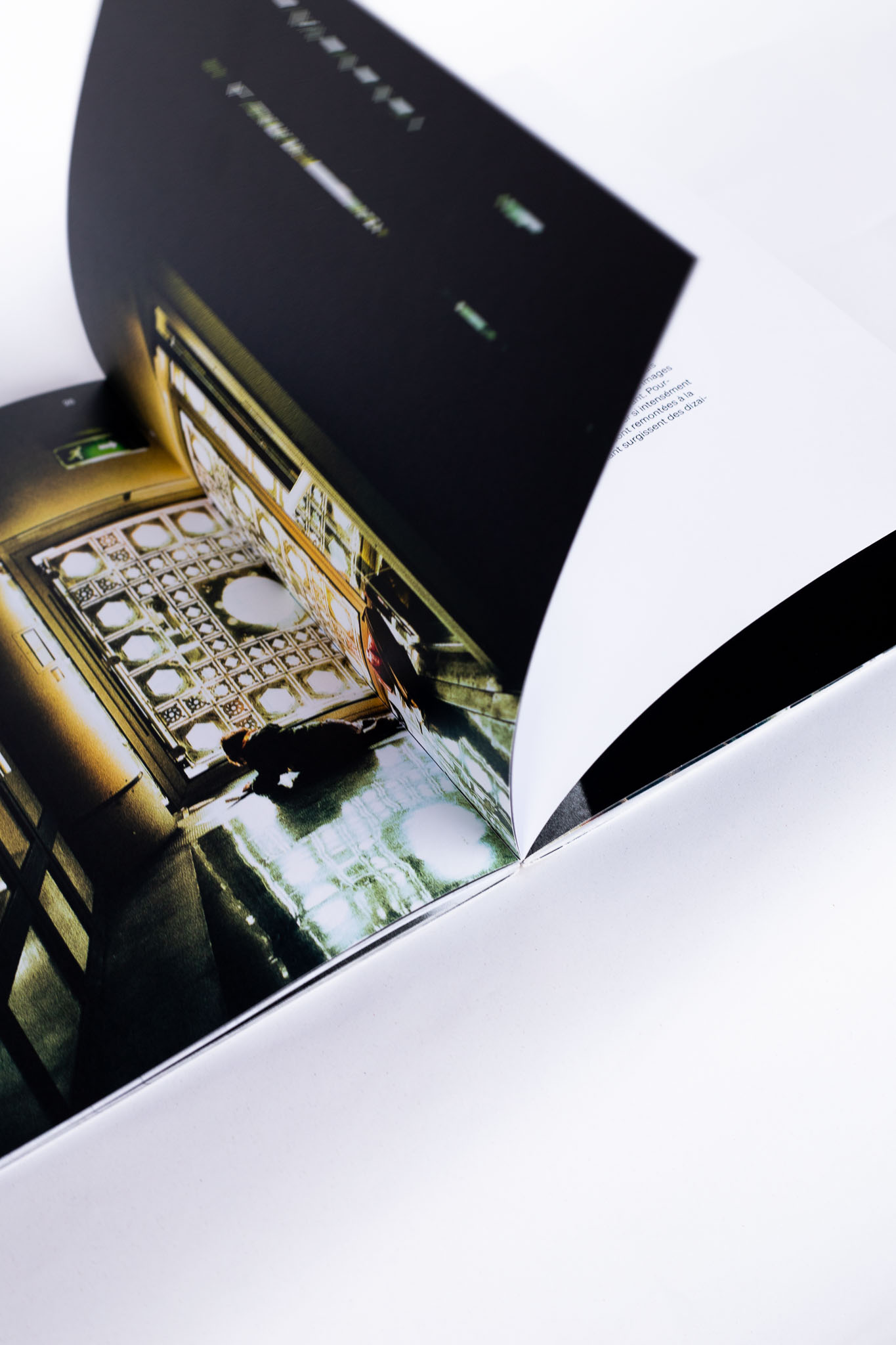
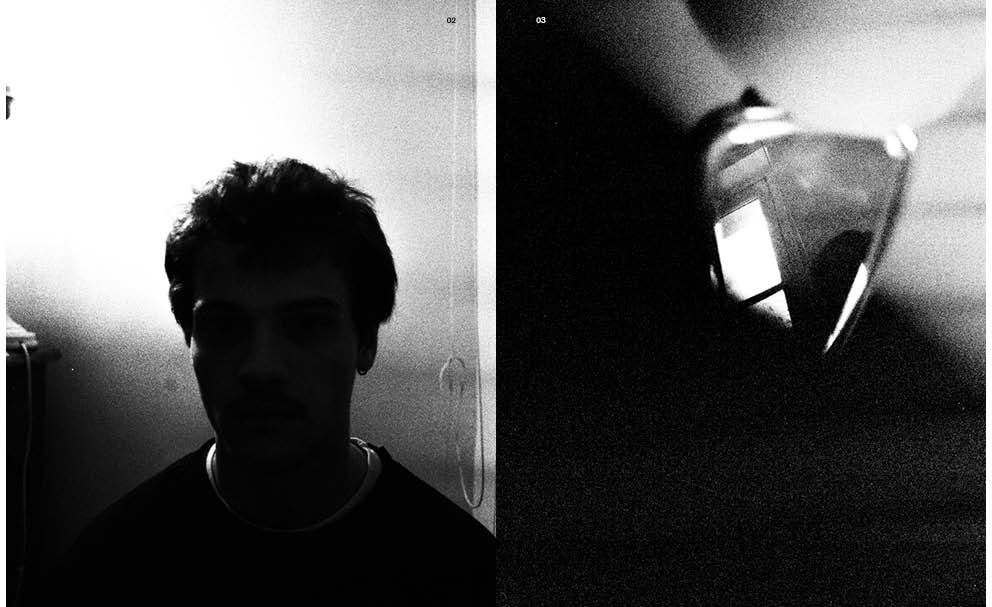
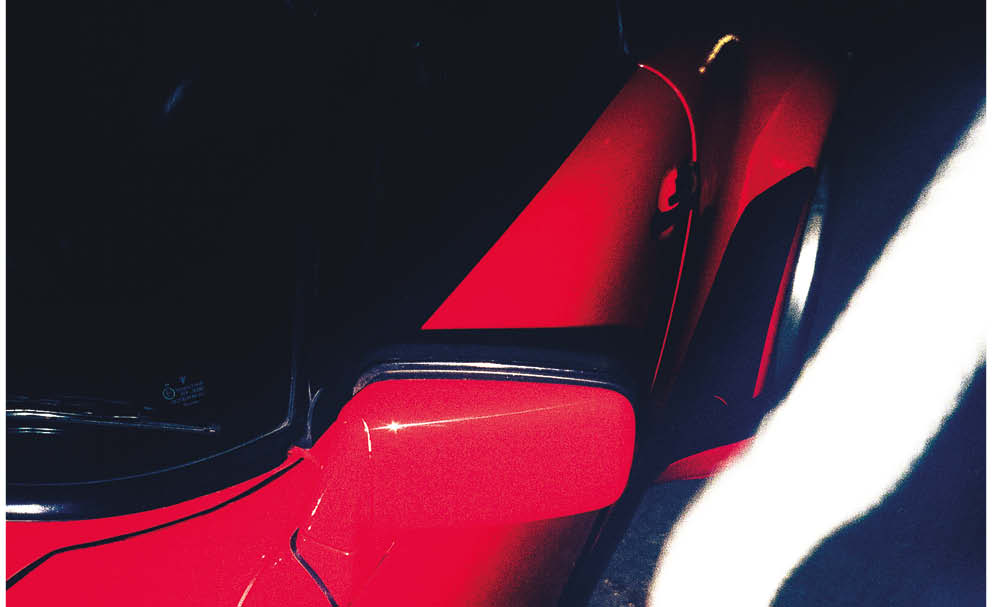
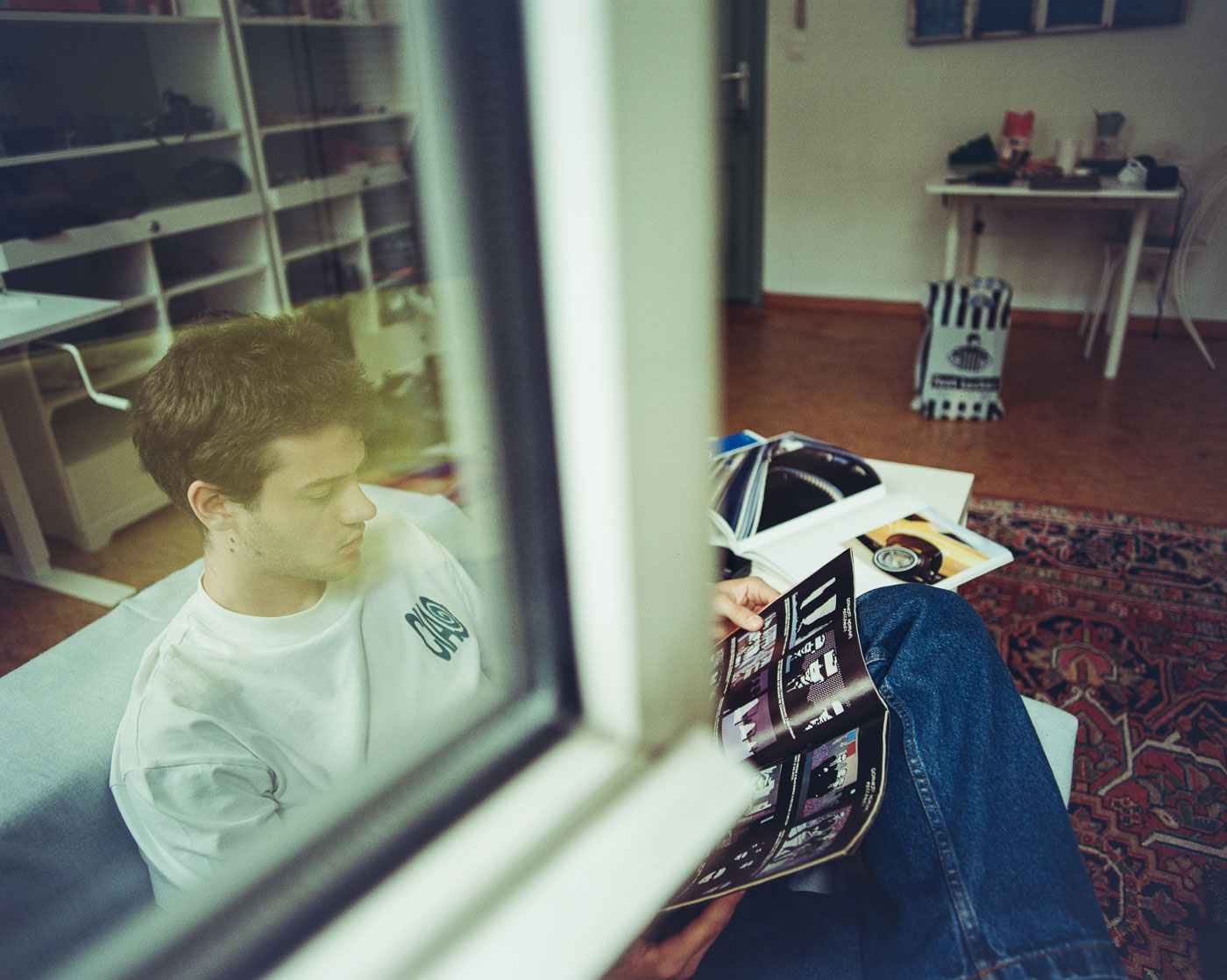
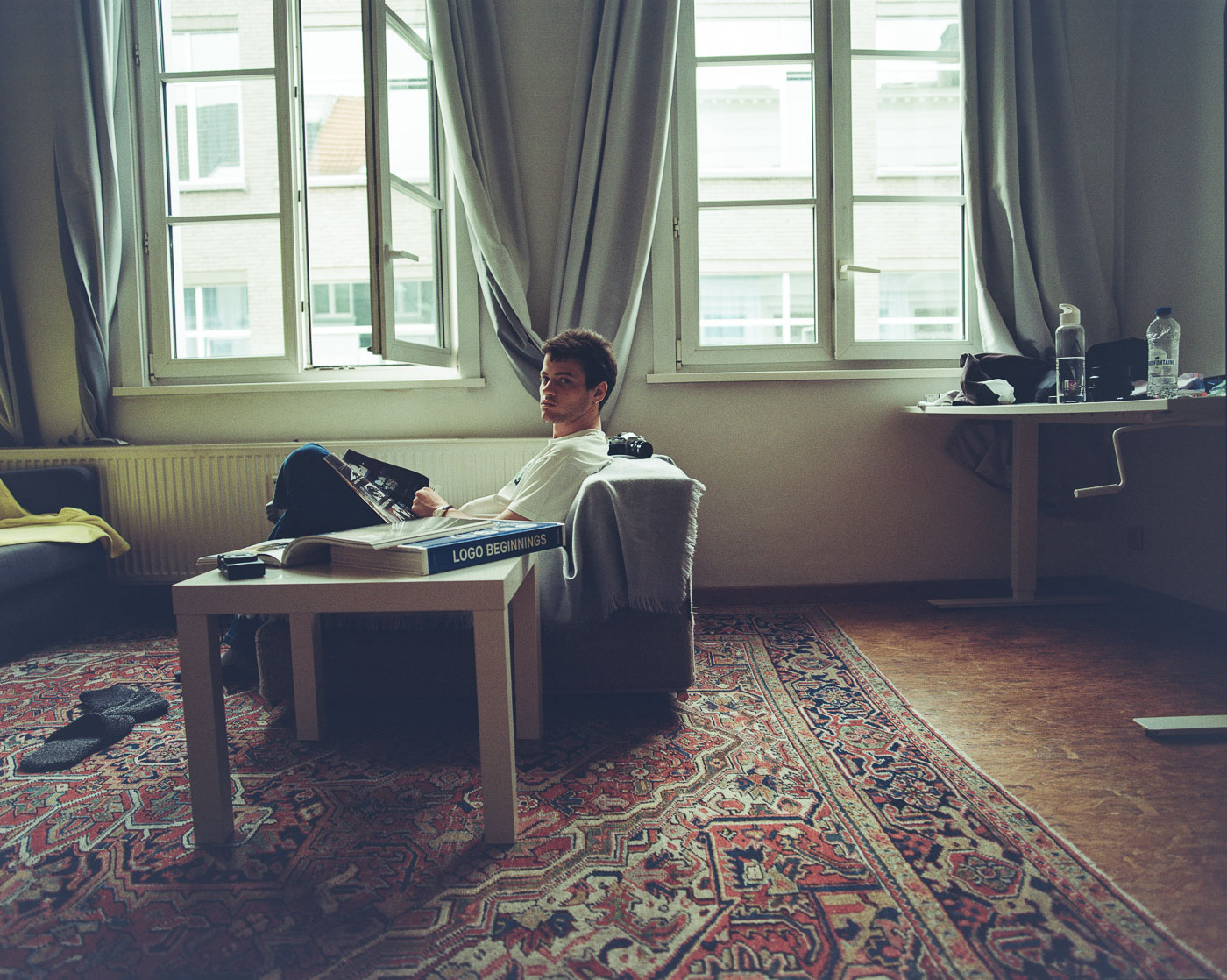

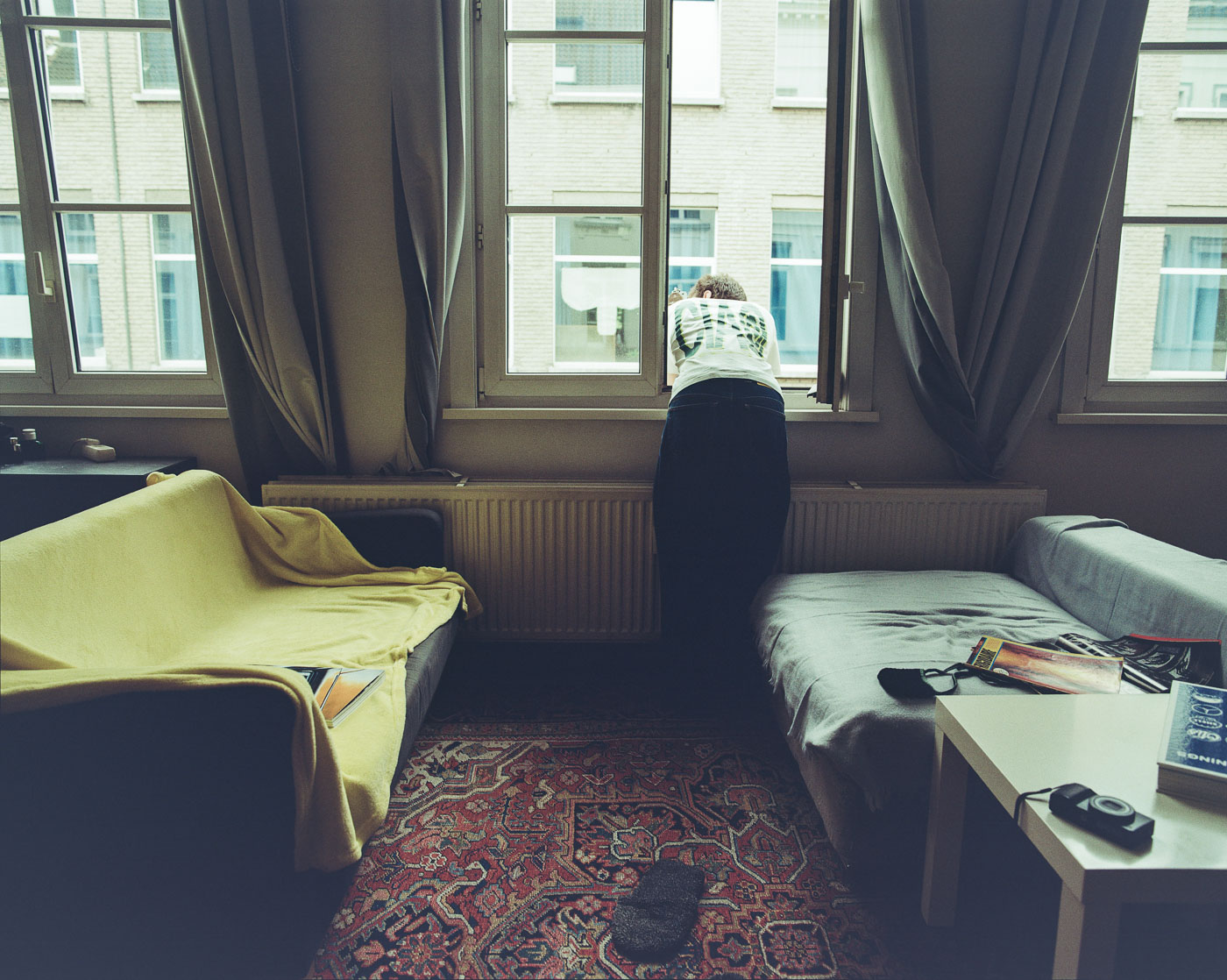
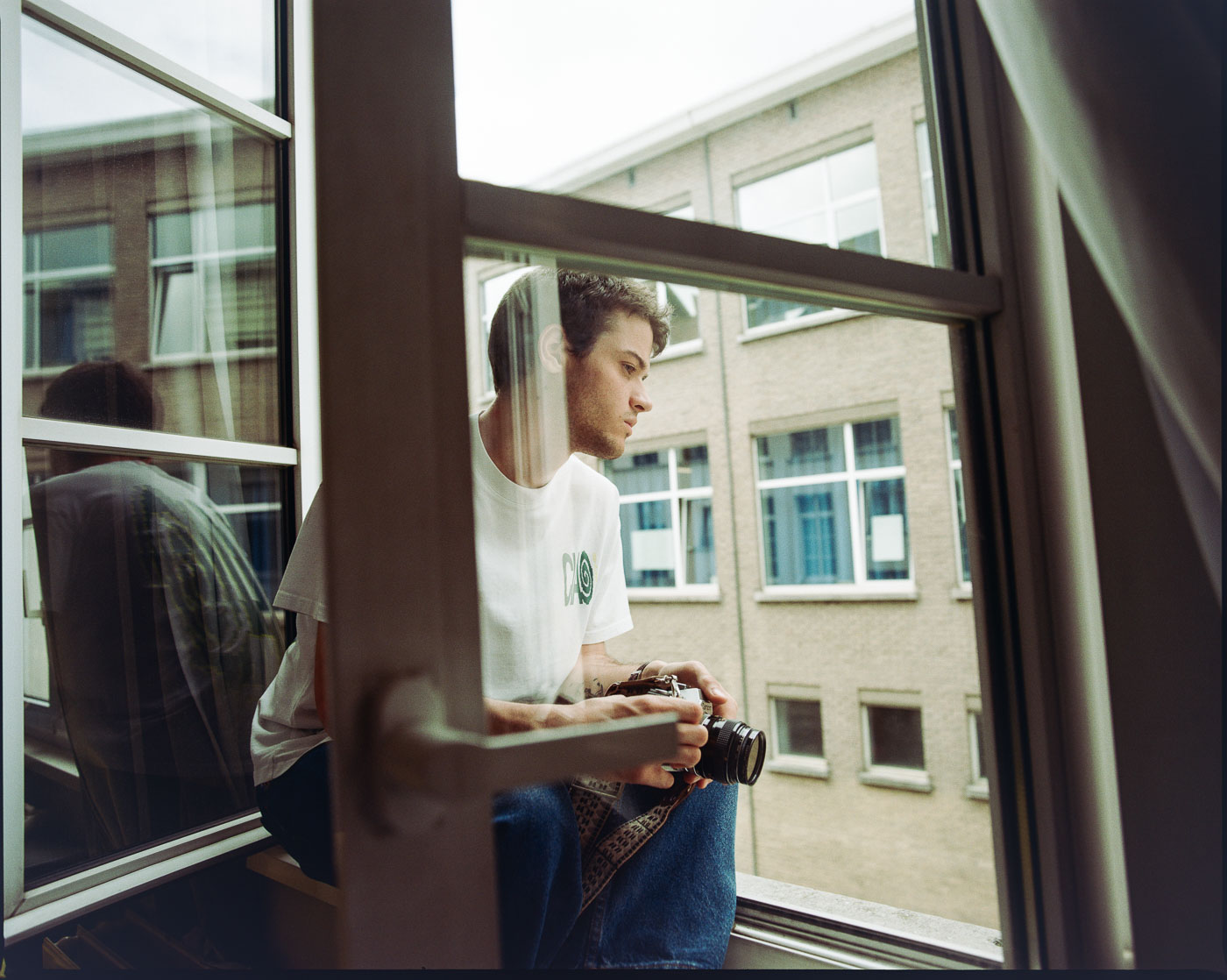
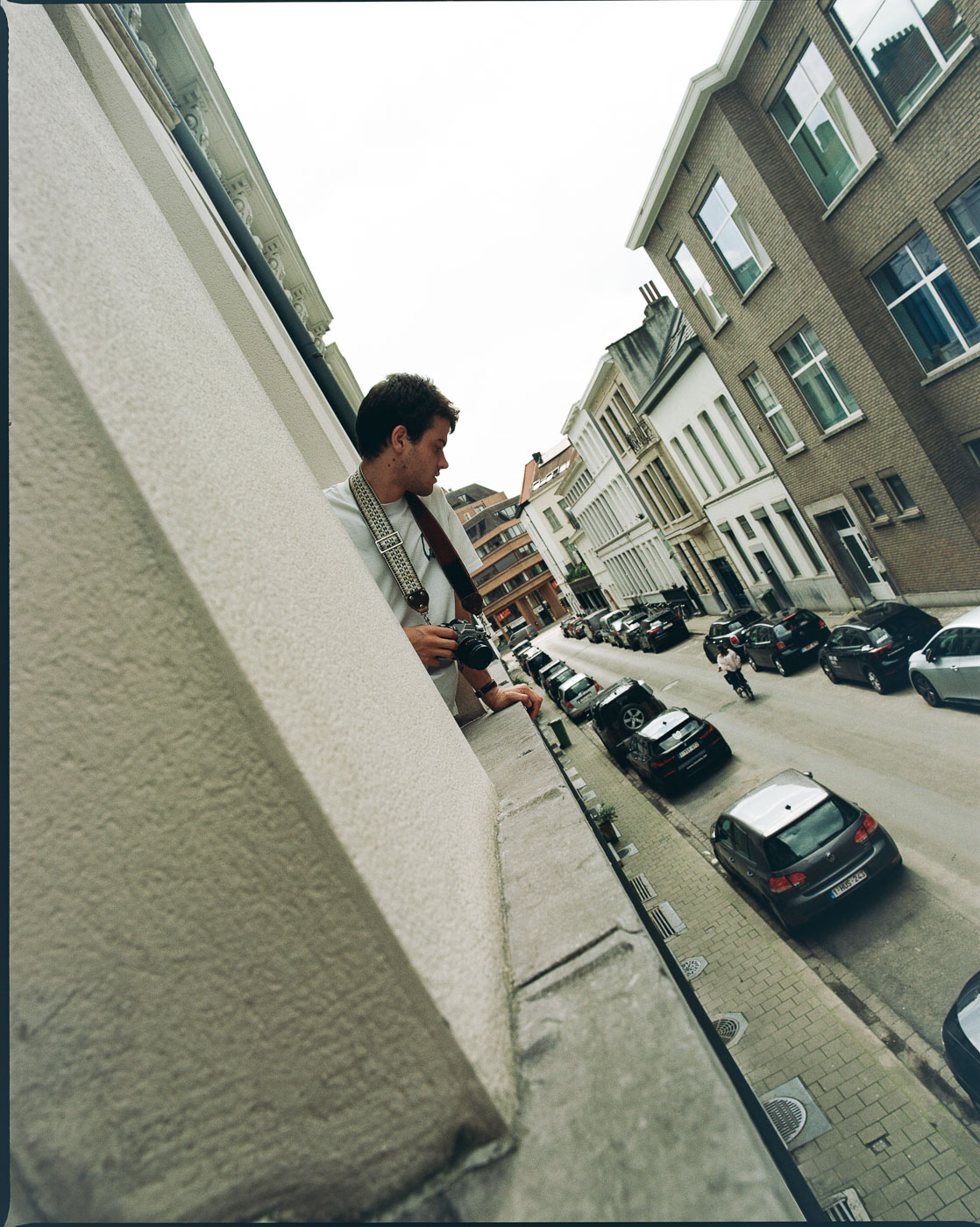

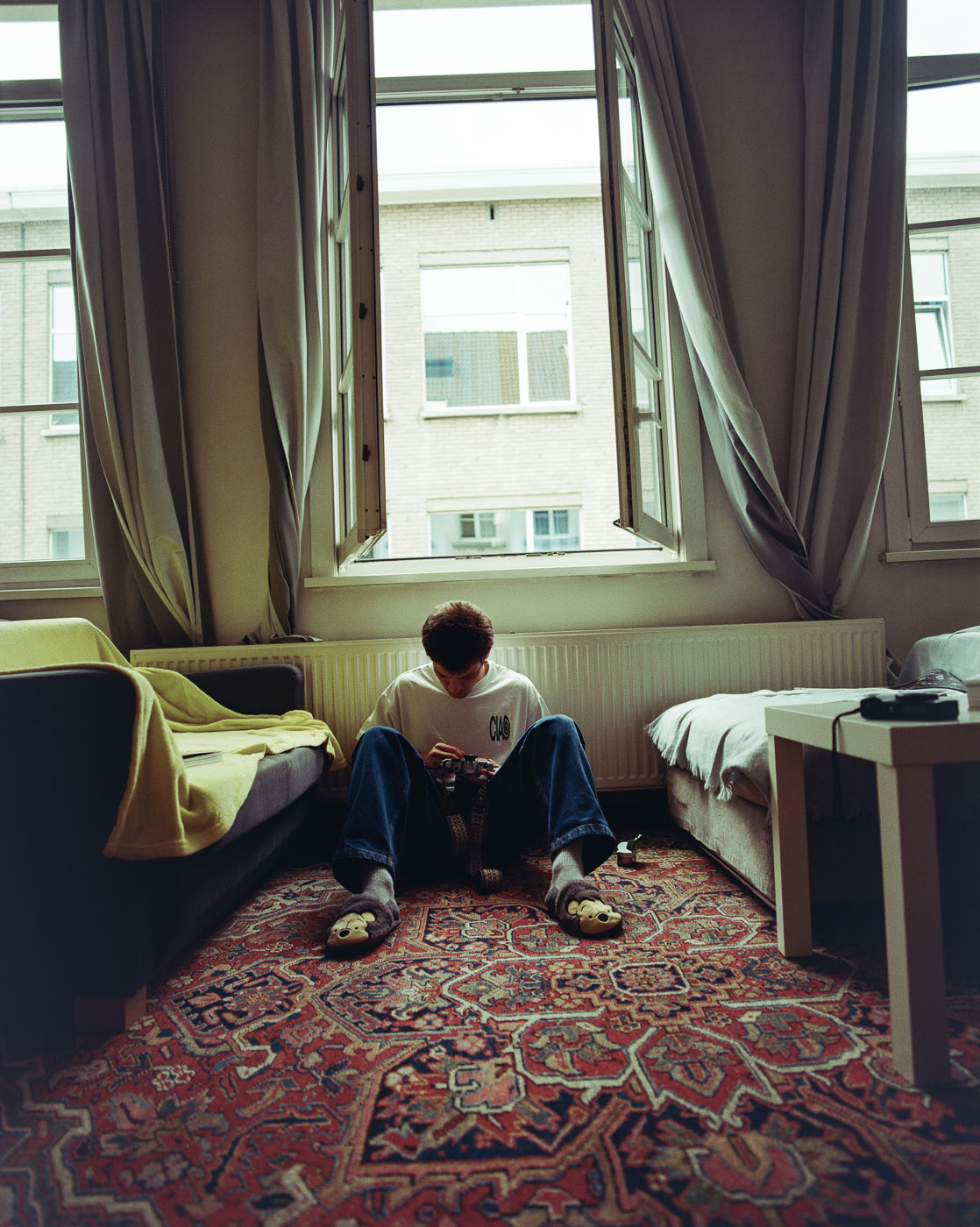


Erasmus is usually imagined as movement and discovery. Here it unfolds through stillness. The project focuses on the student’s relationship with his home, a space that offers comfort and protection but slowly turns into a boundary. Warmth and familiarity become forms of inertia, encouraging retreat rather than exploration. The house emerges as both refuge and limit, revealing how a comfort zone can quietly transform an experience of potential growth into one of isolation.
Netartchive is a digital archive dedicated to the preservation and exploration of net art. It reflects on the temporalities of online artistic production through curated sections like past, future, and about.