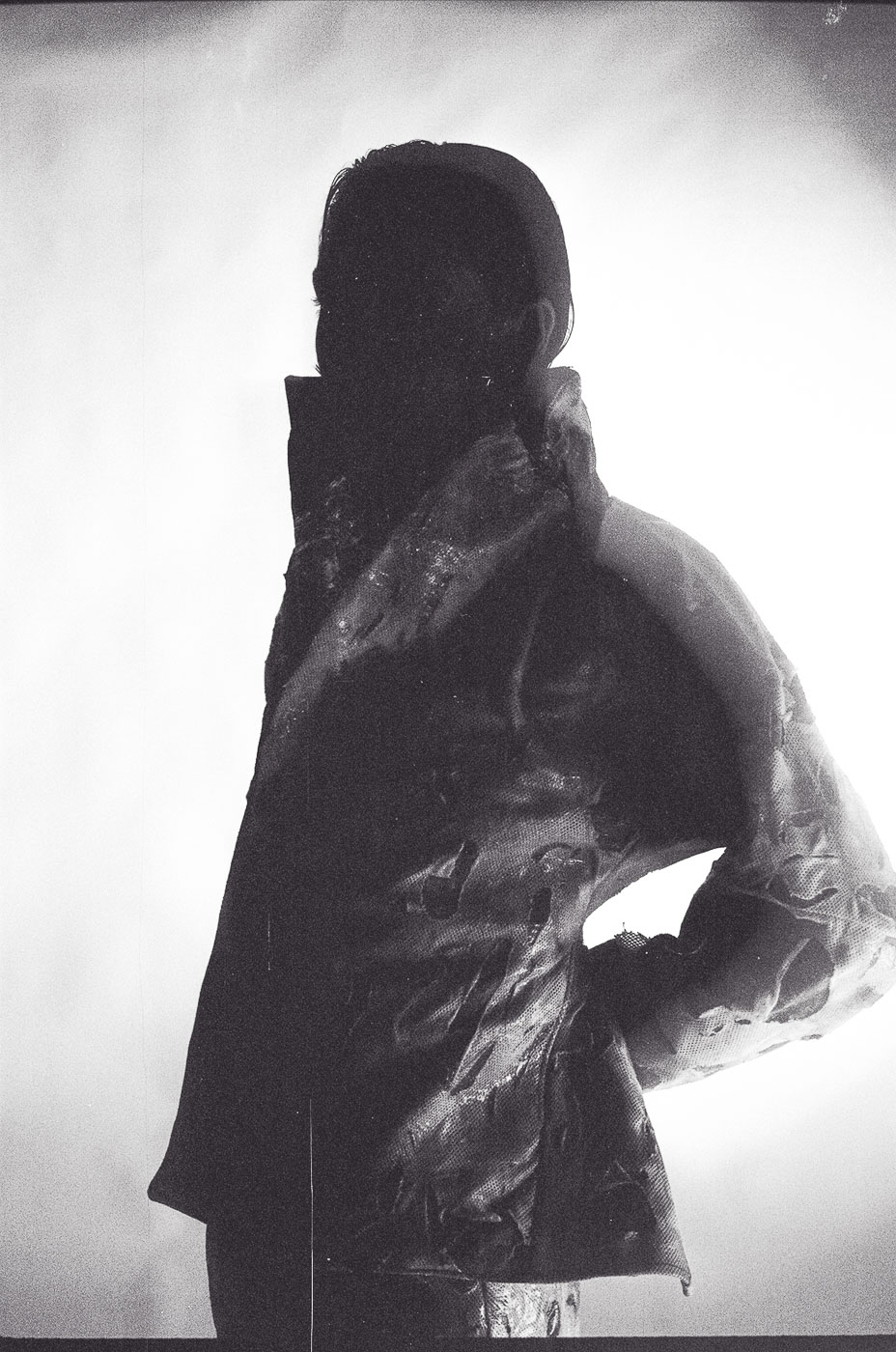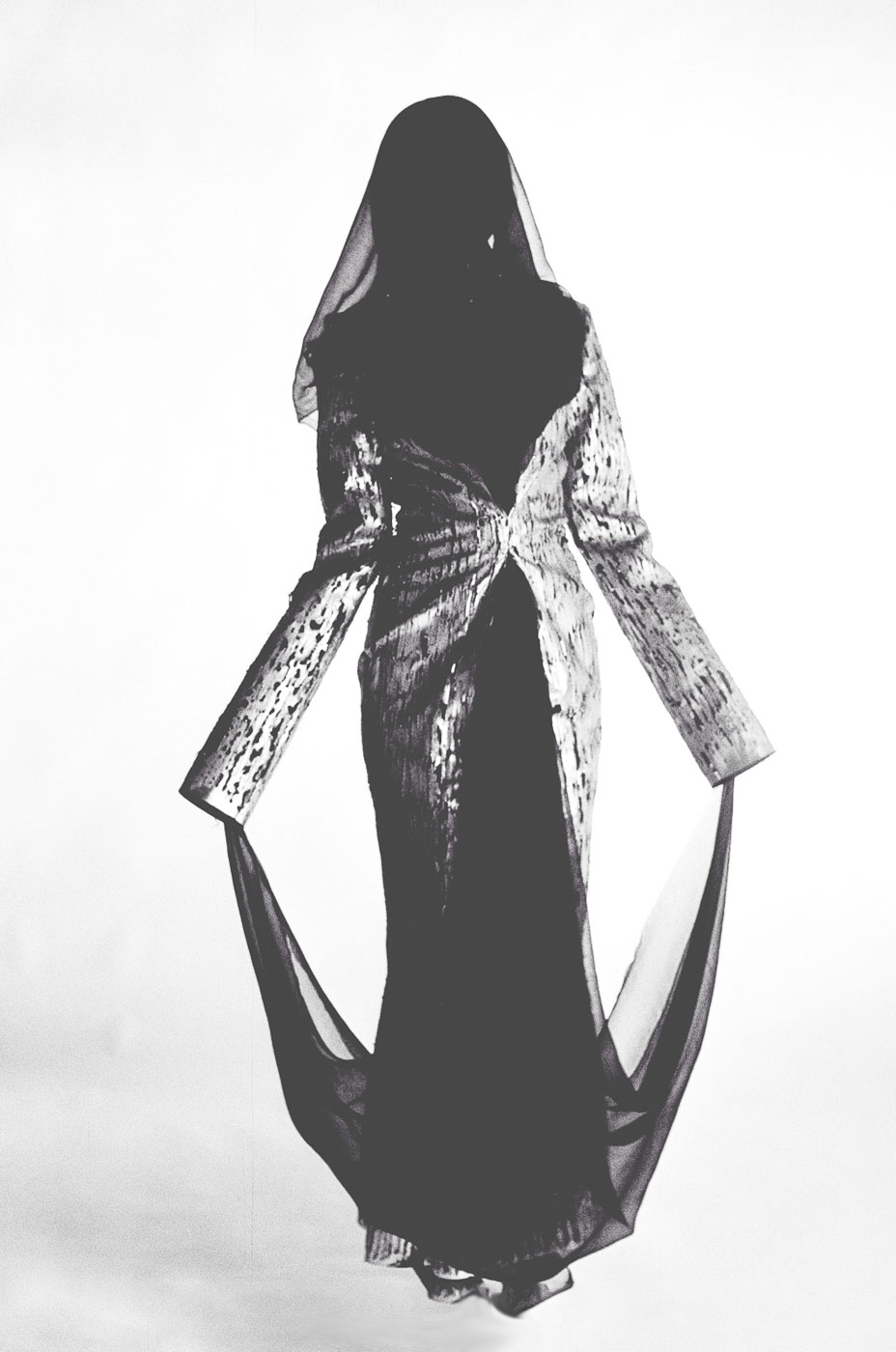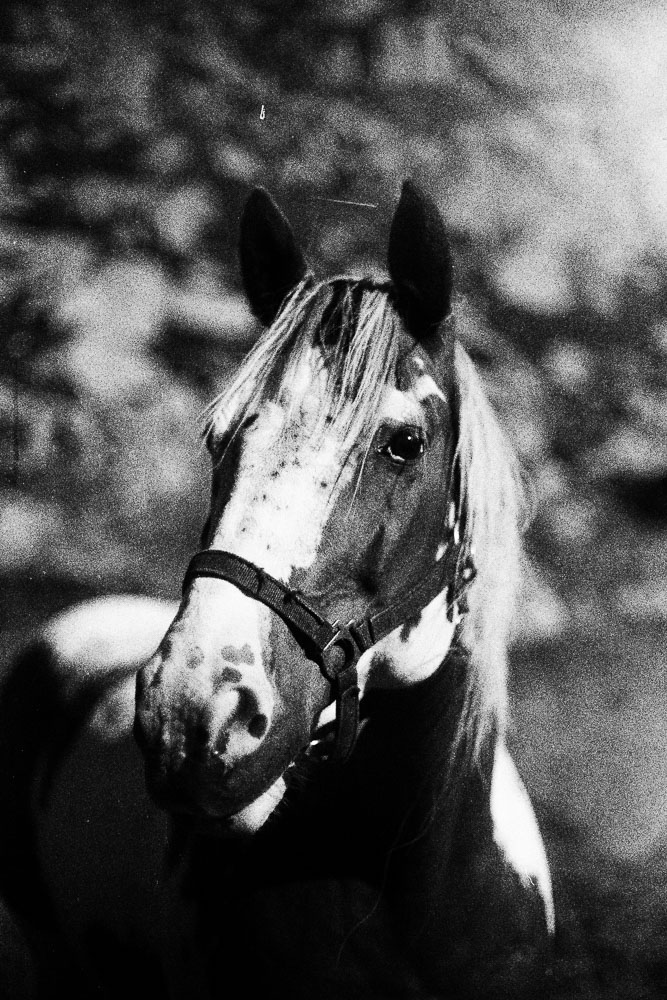




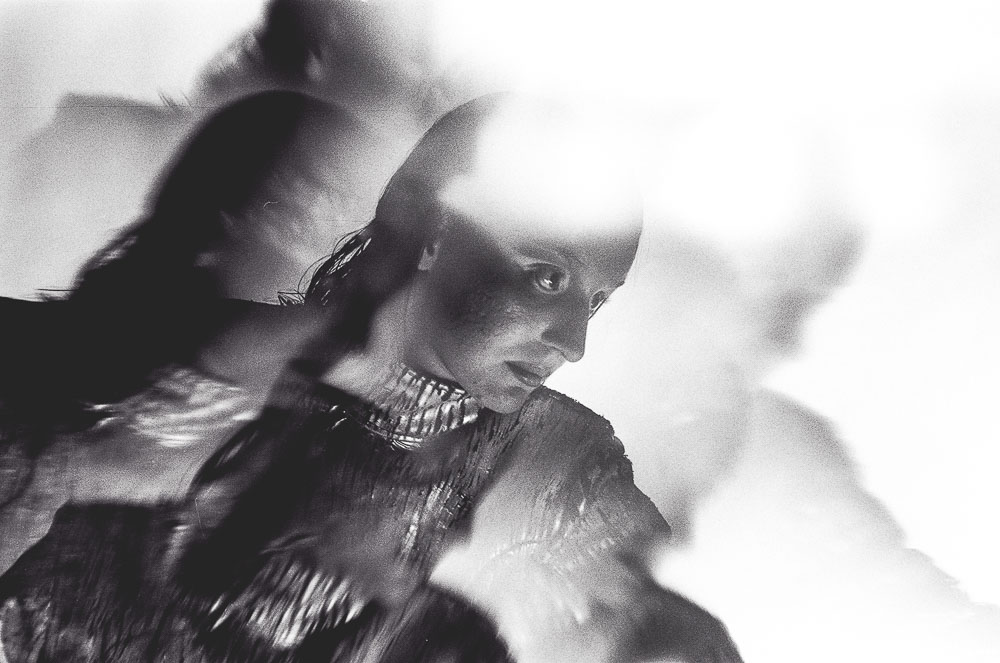
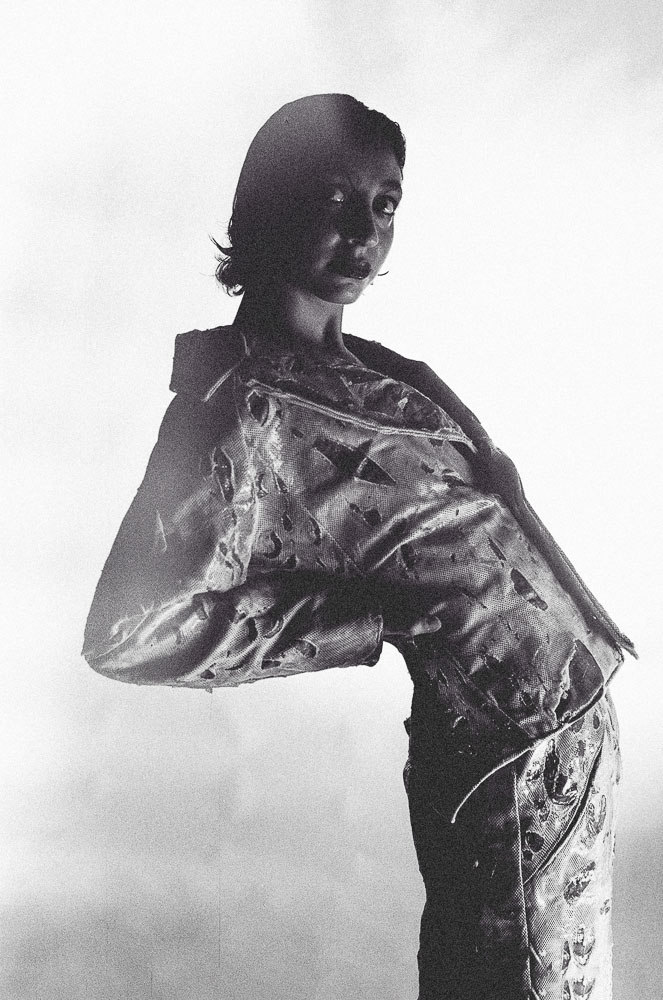
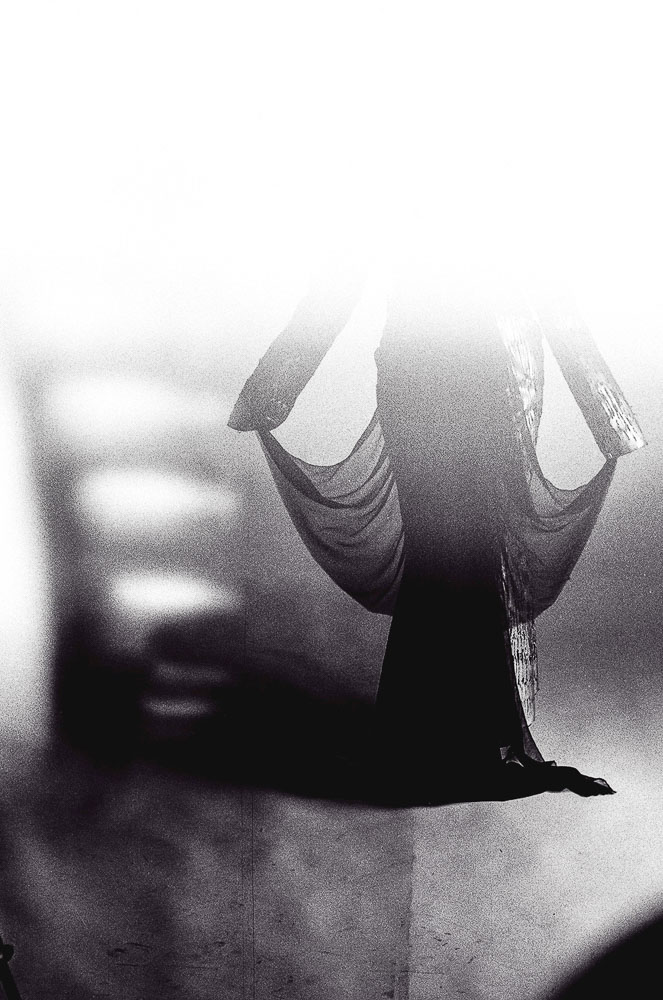
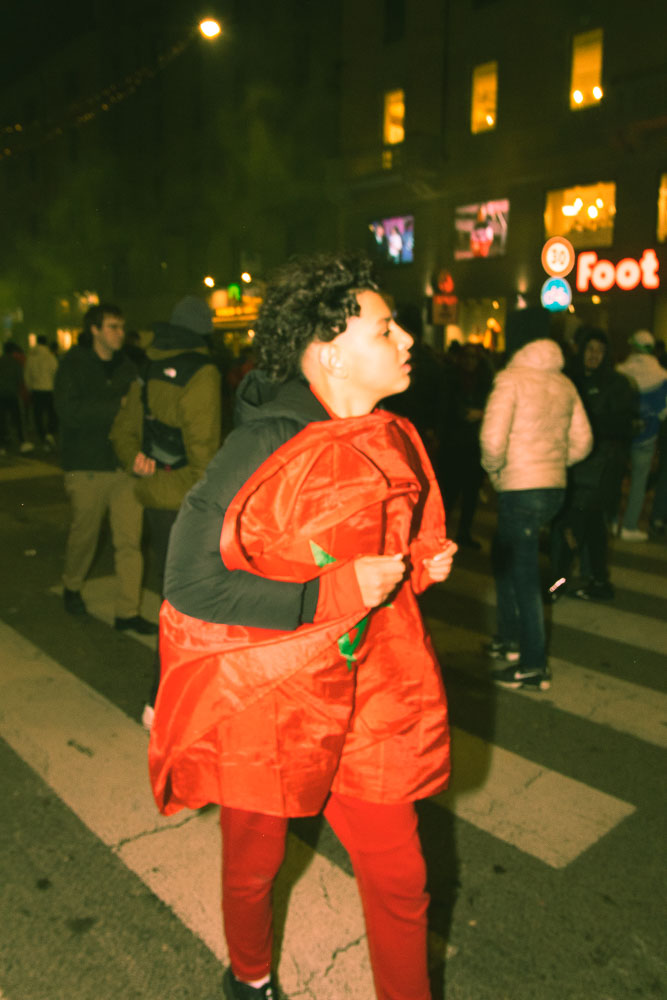
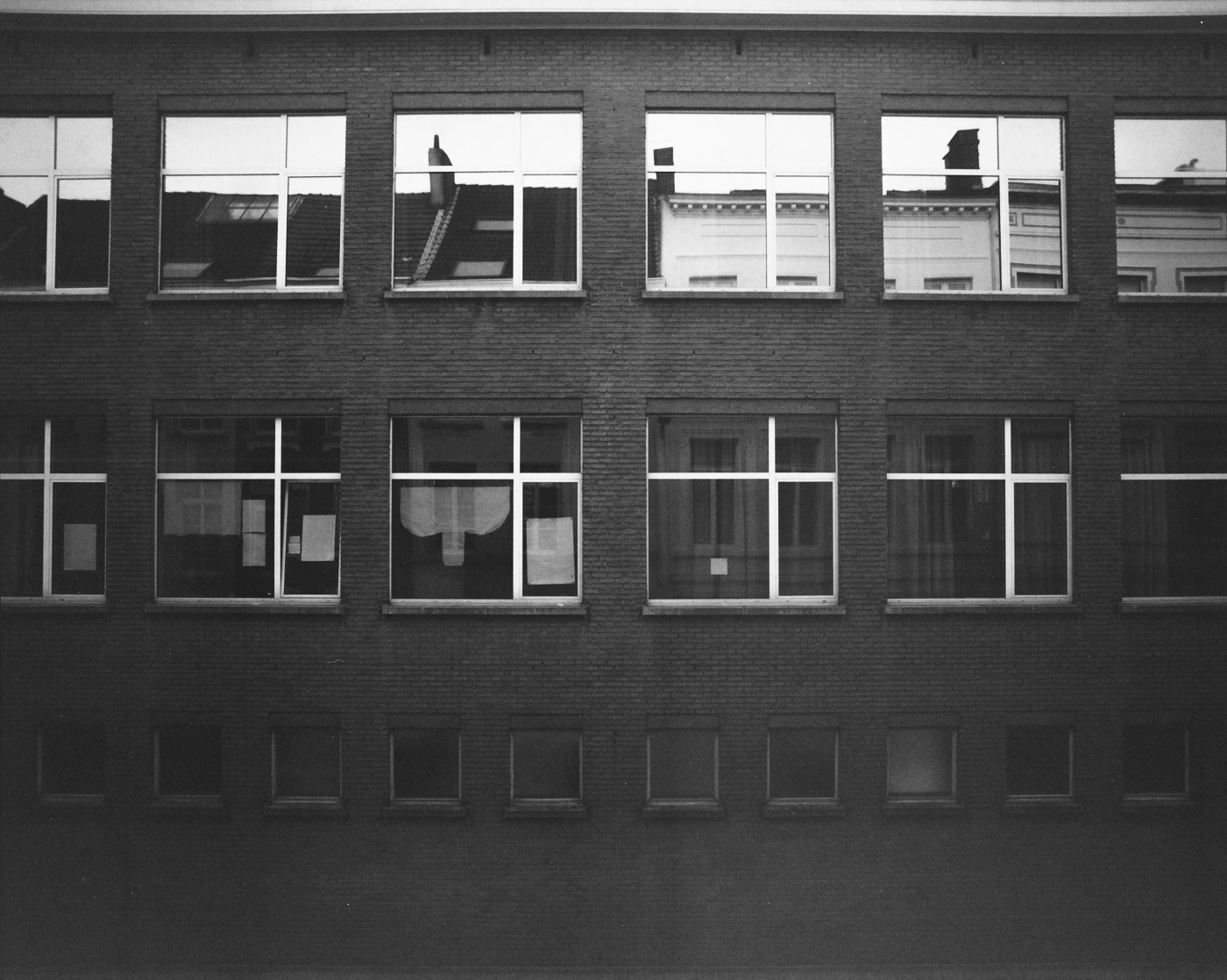
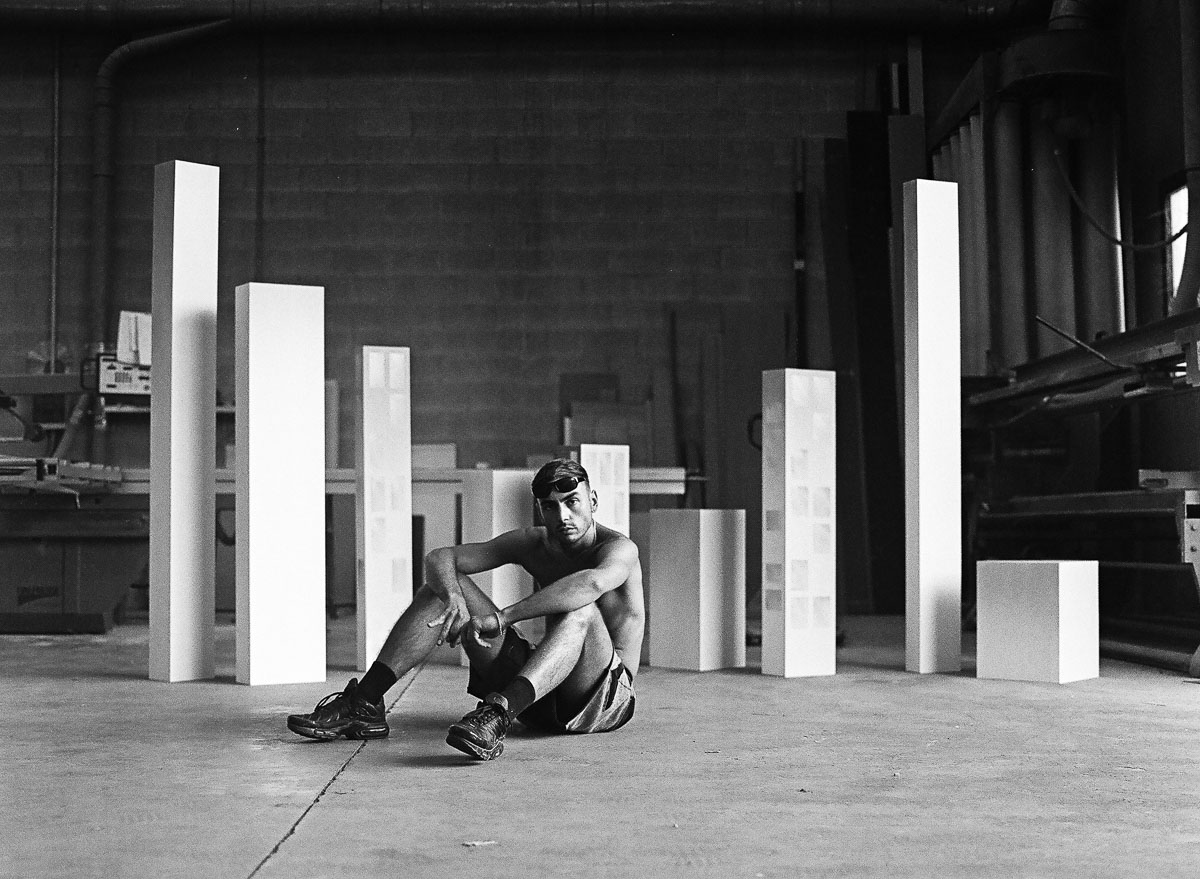
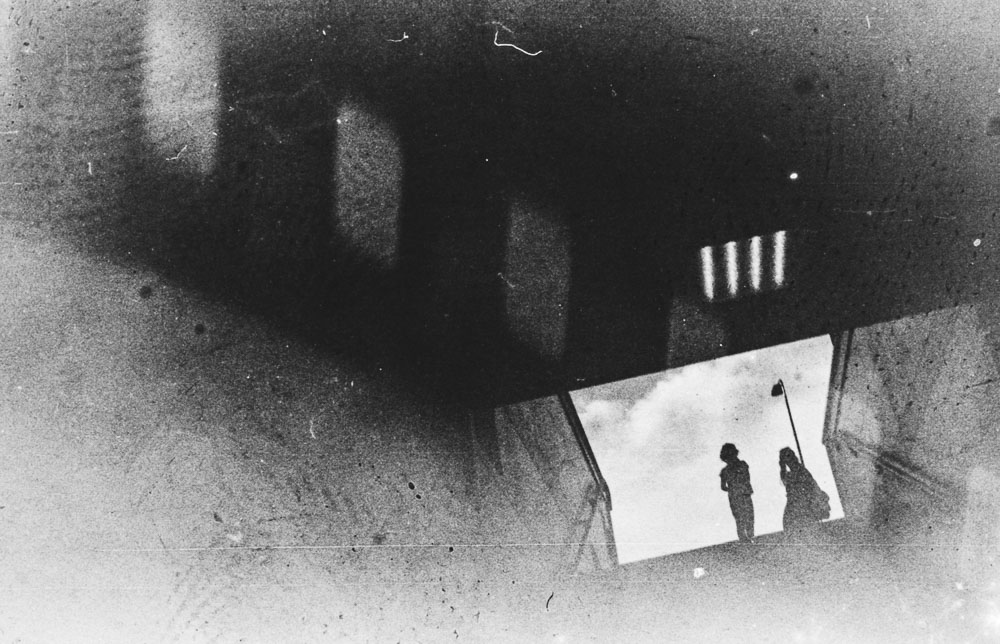
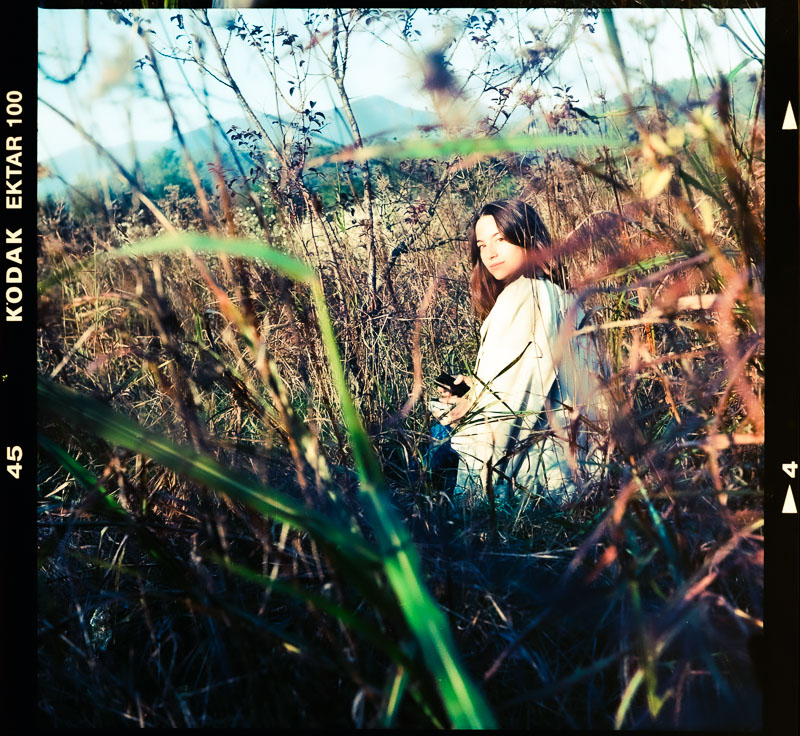
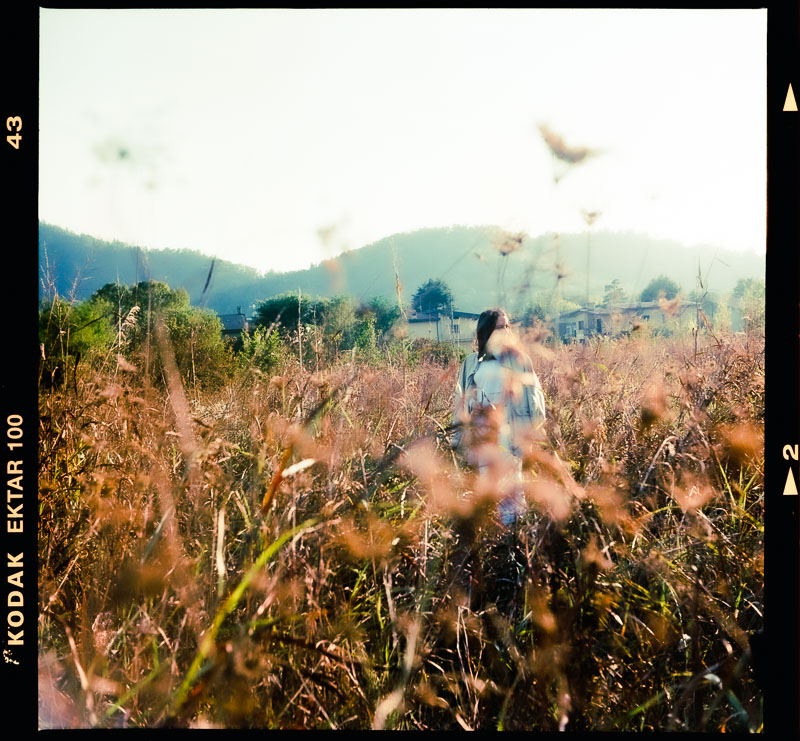
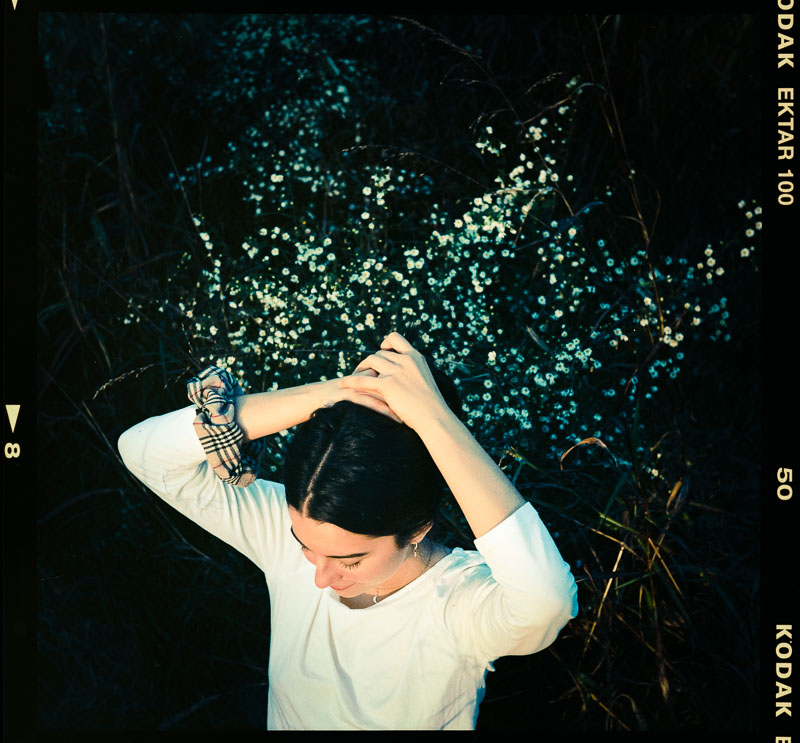
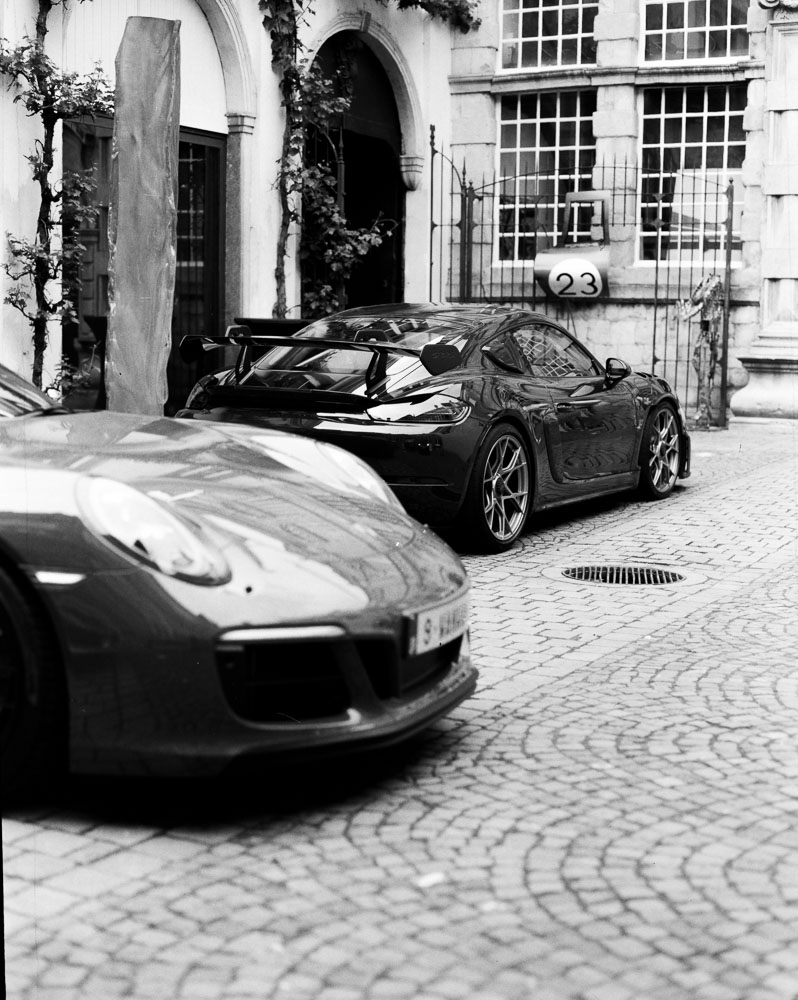




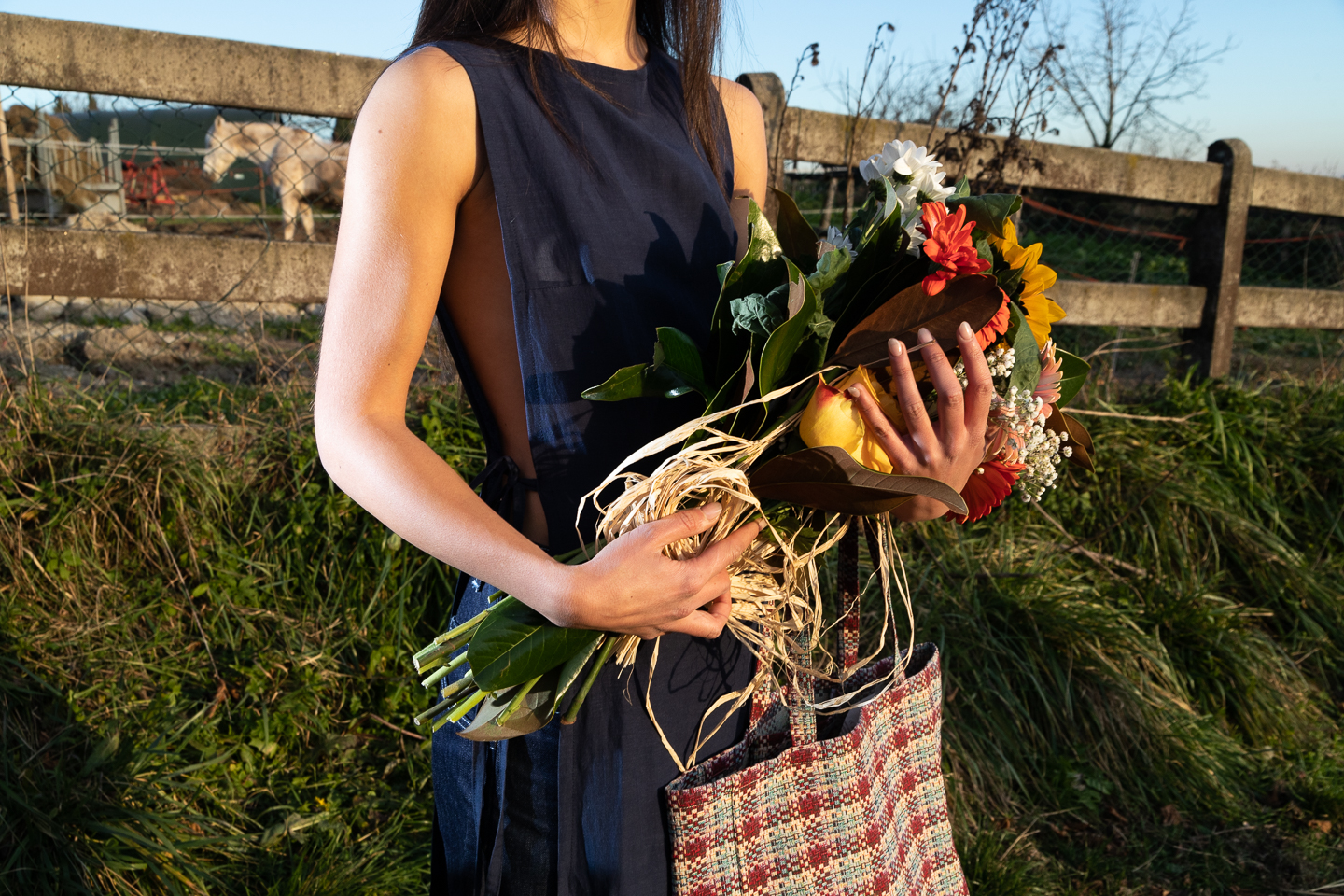
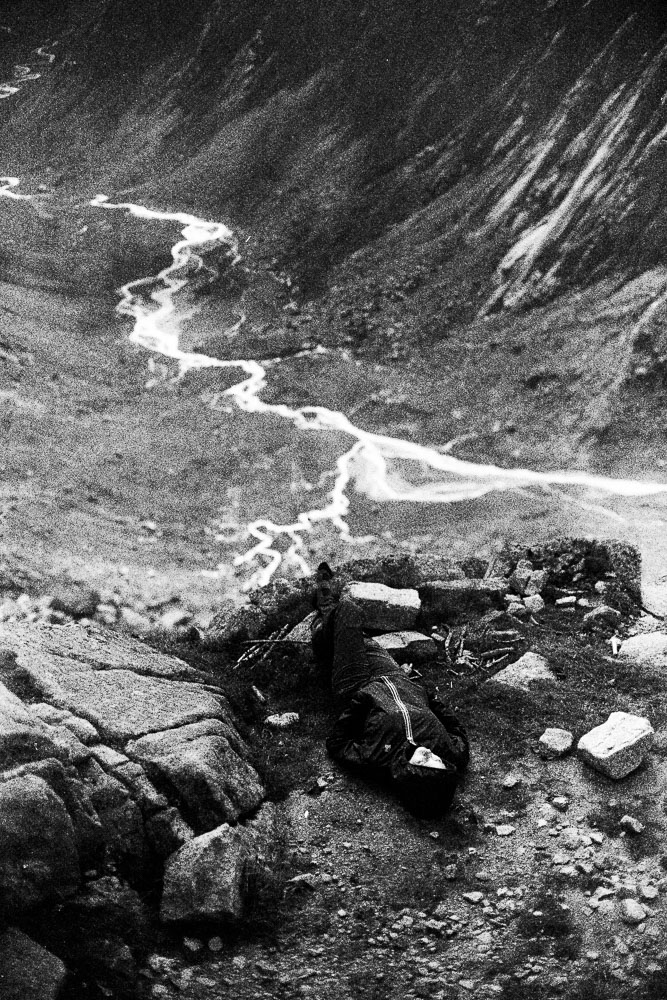
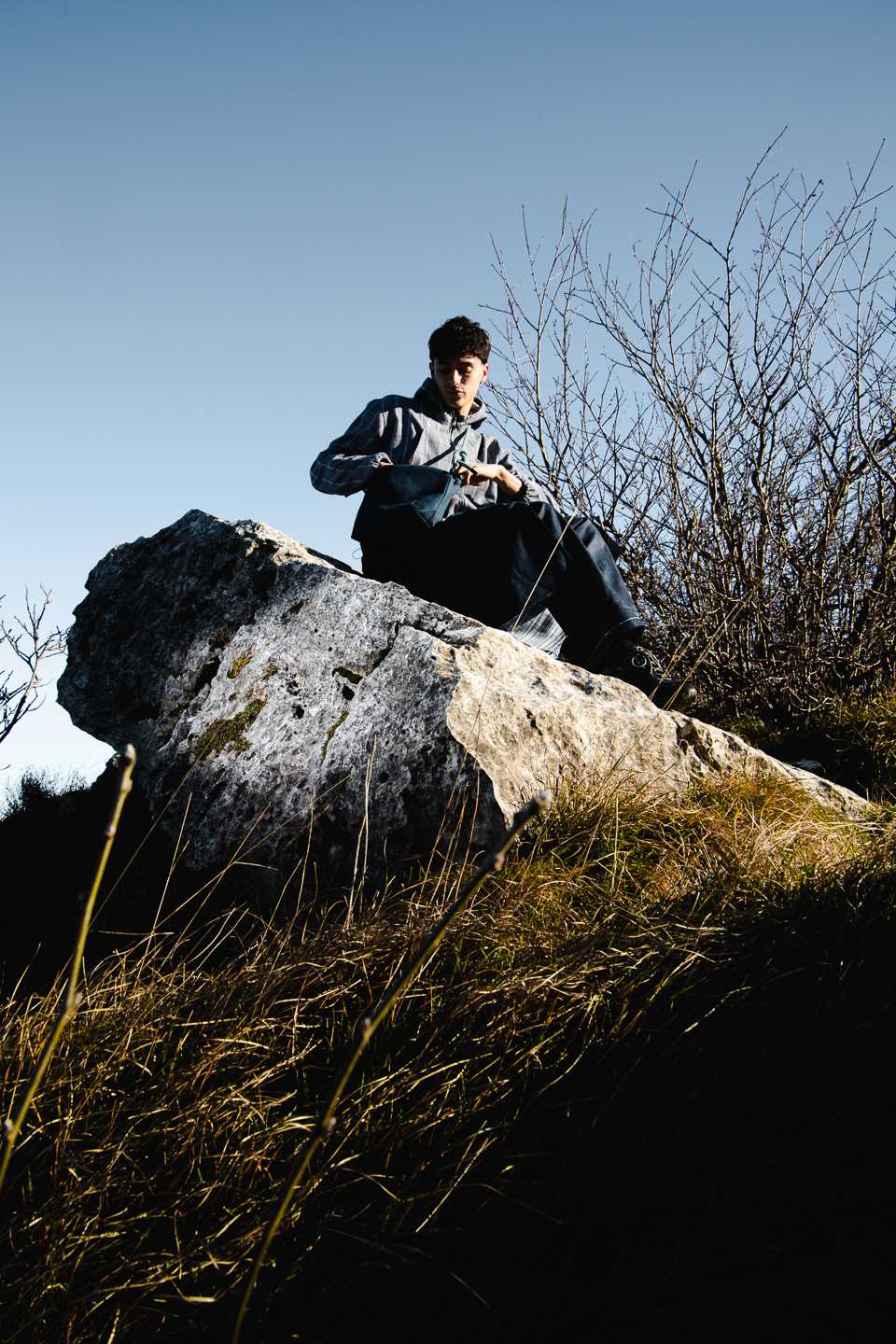
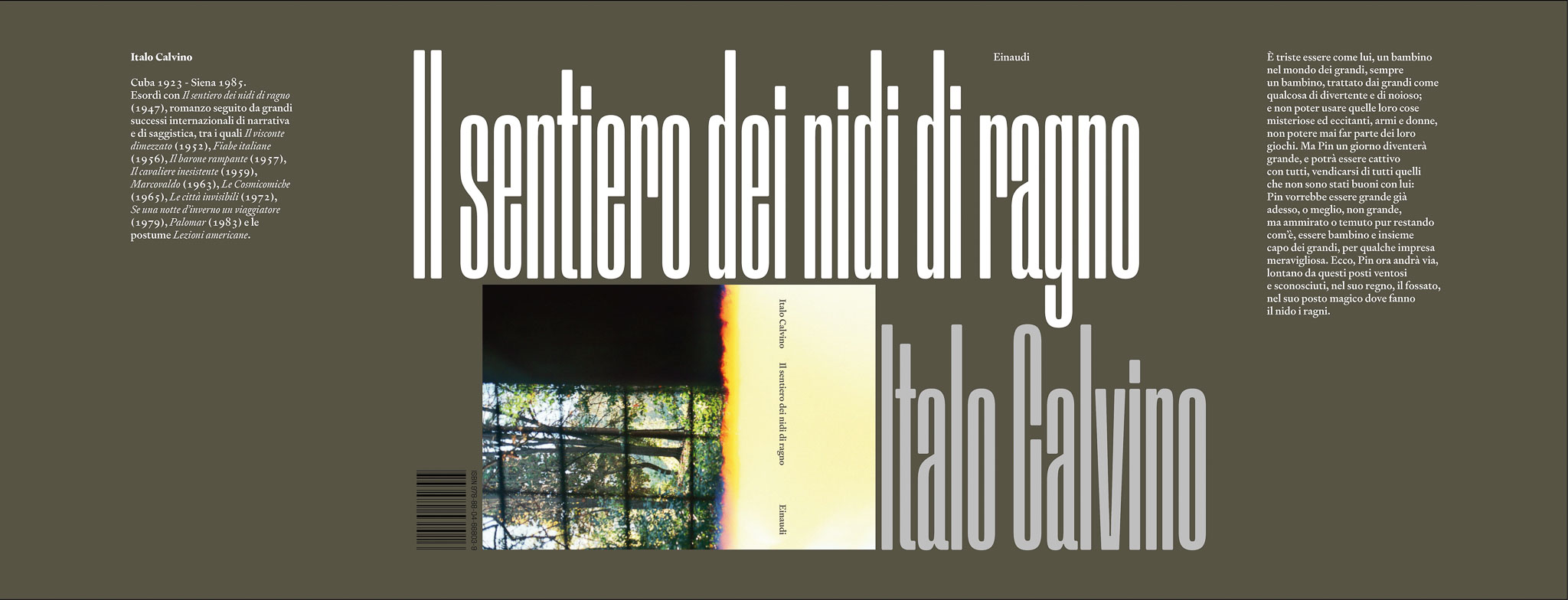
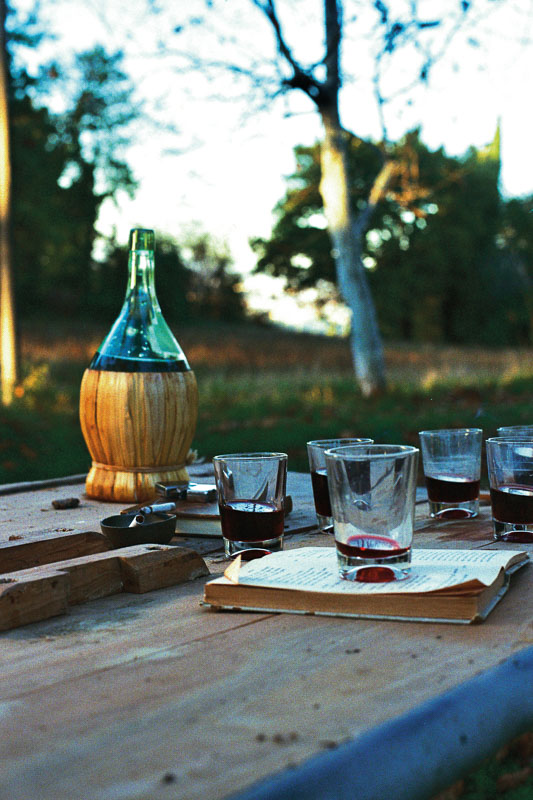
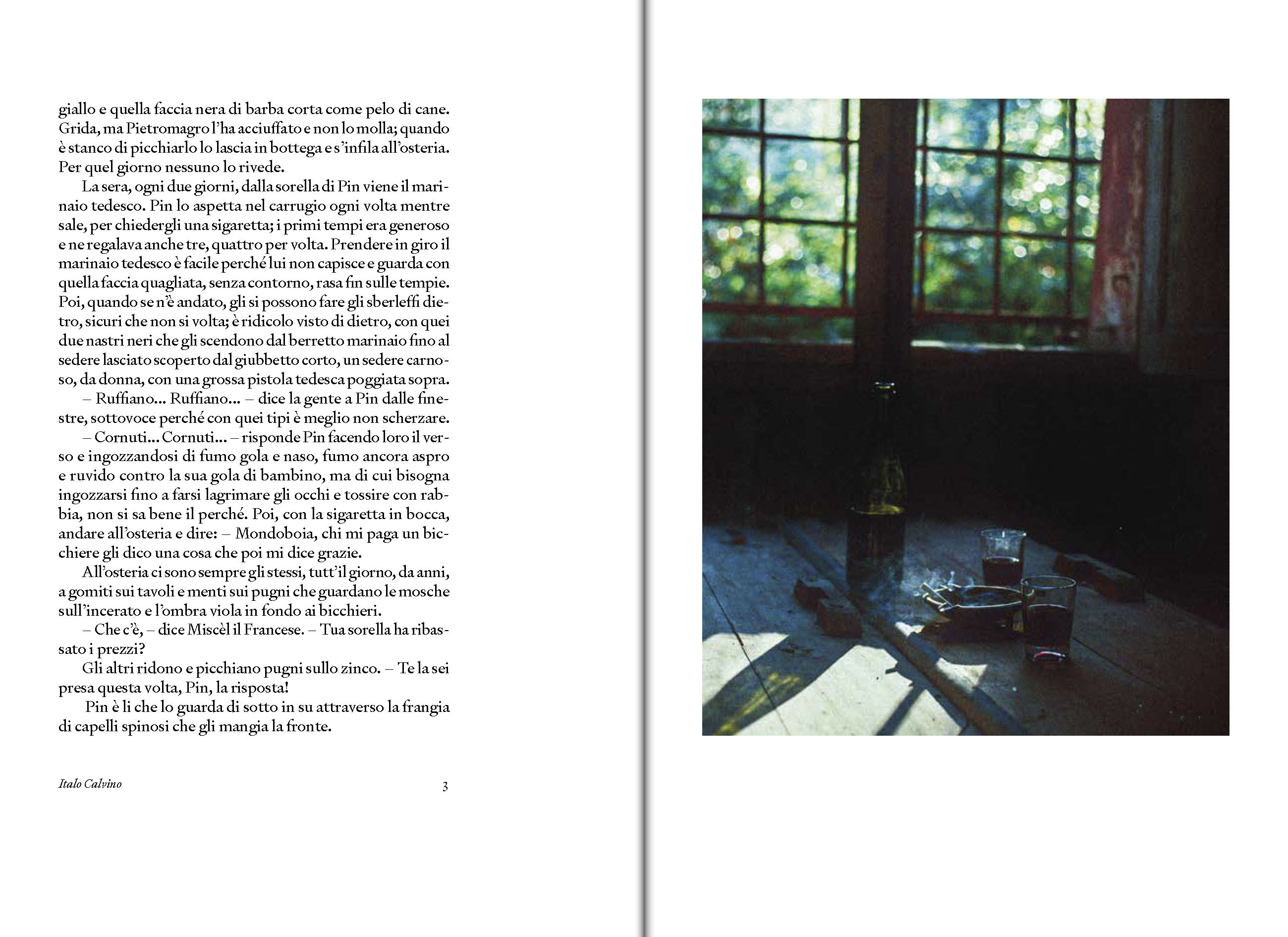
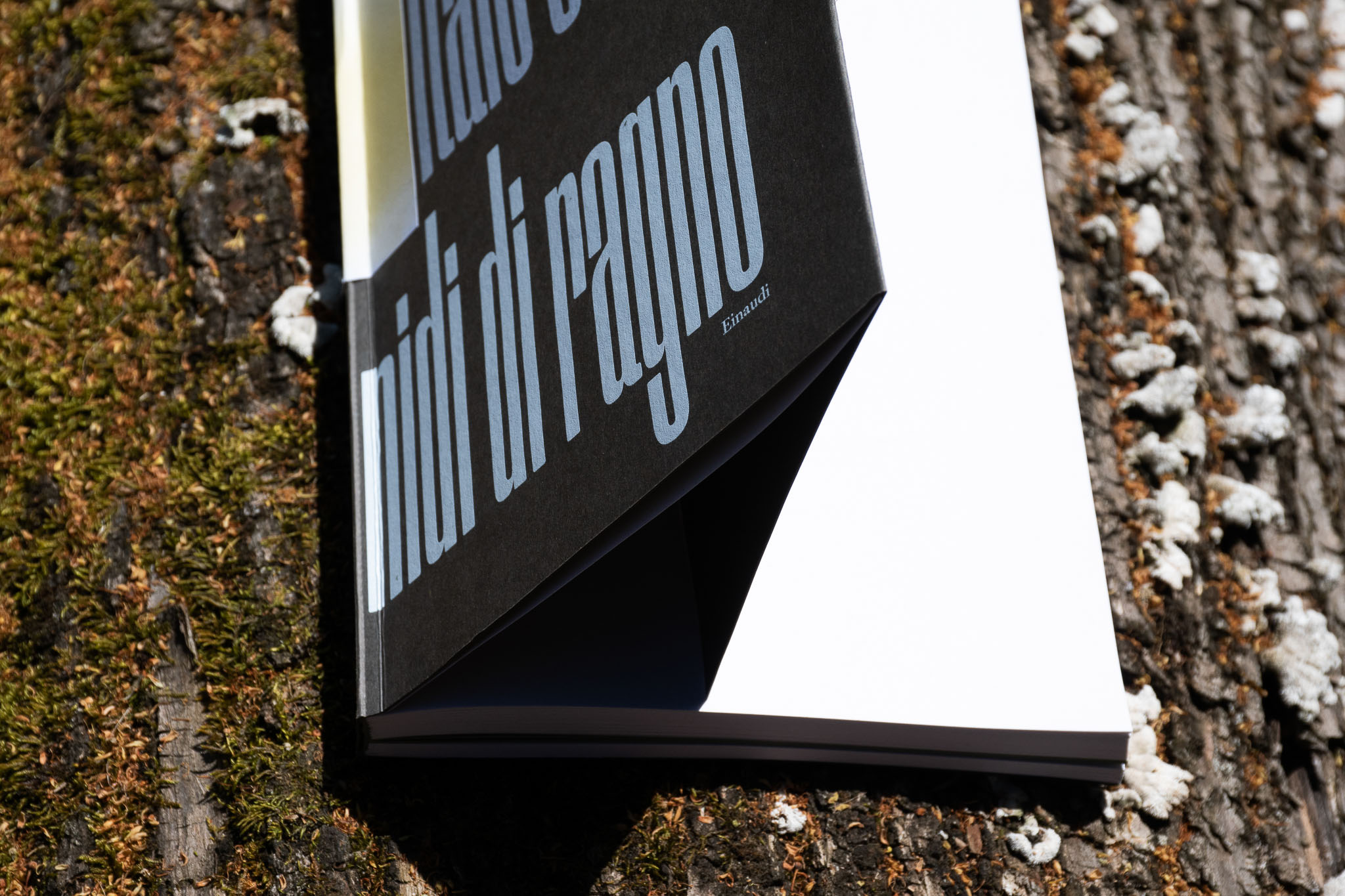
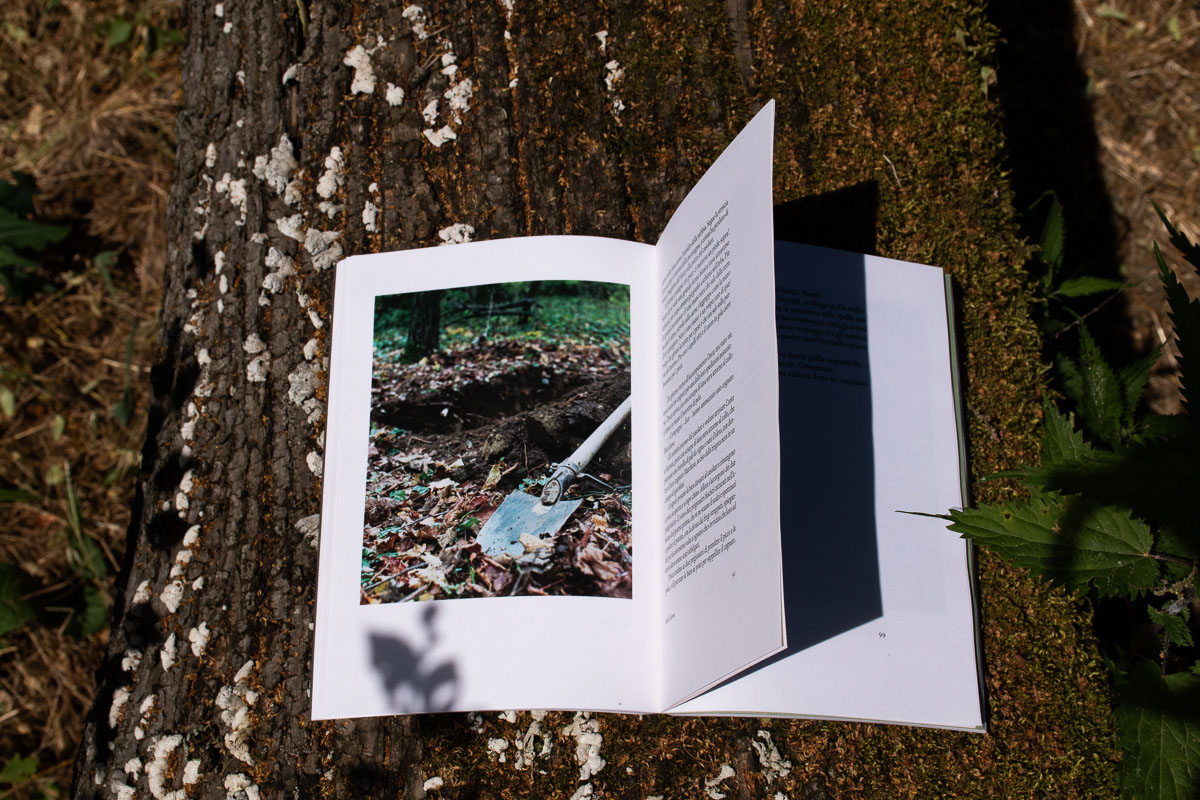
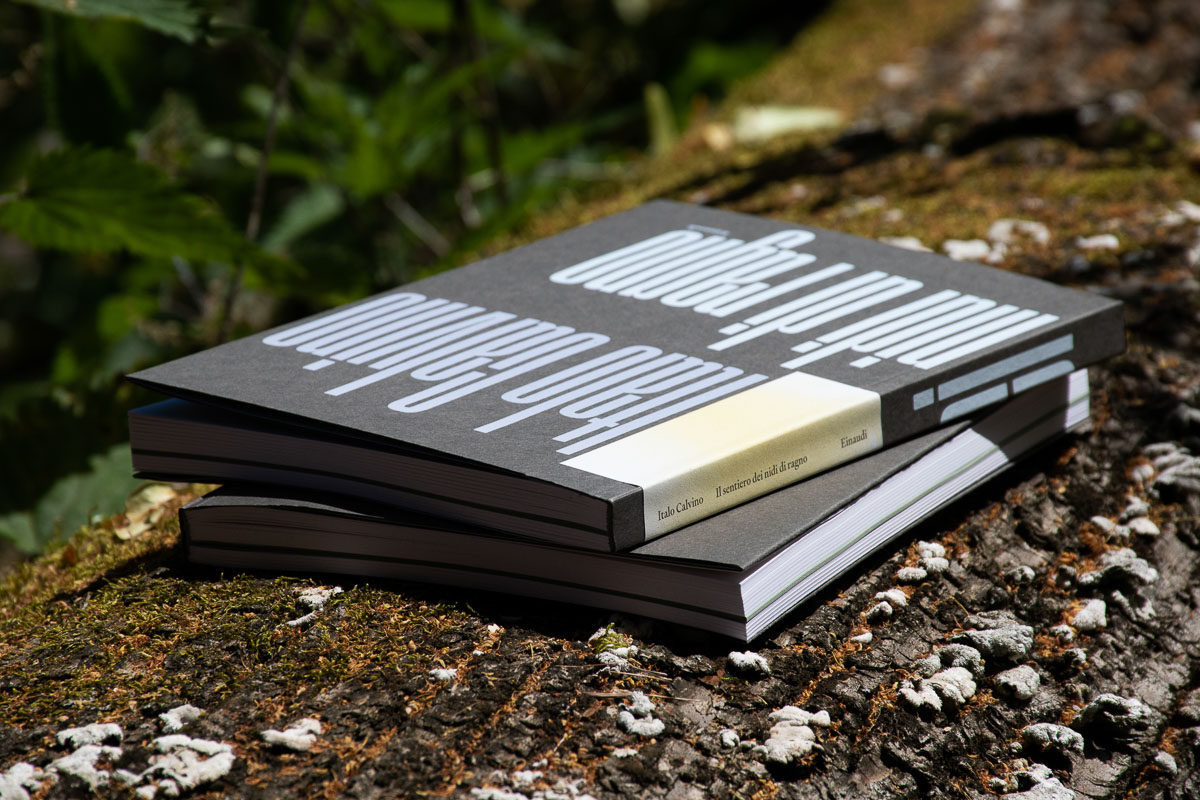
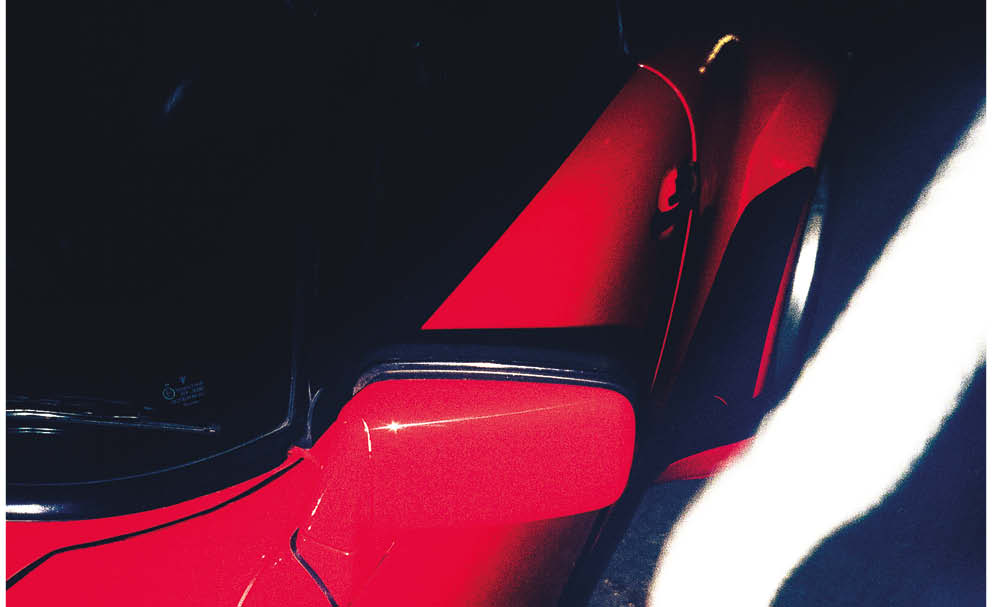
Calvino’s The Path to the Nest of Spiders is reinterpreted through photography, translating its figurative language into a visual sequence. Rather than illustrating the story literally, the images evoke its landscapes, characters, and atmospheres, extending the book’s imaginative world into a photographic form. Each photograph resonates with the spirit of the text, offering visual cues that deepen immersion and open a dialogue between literature and image.

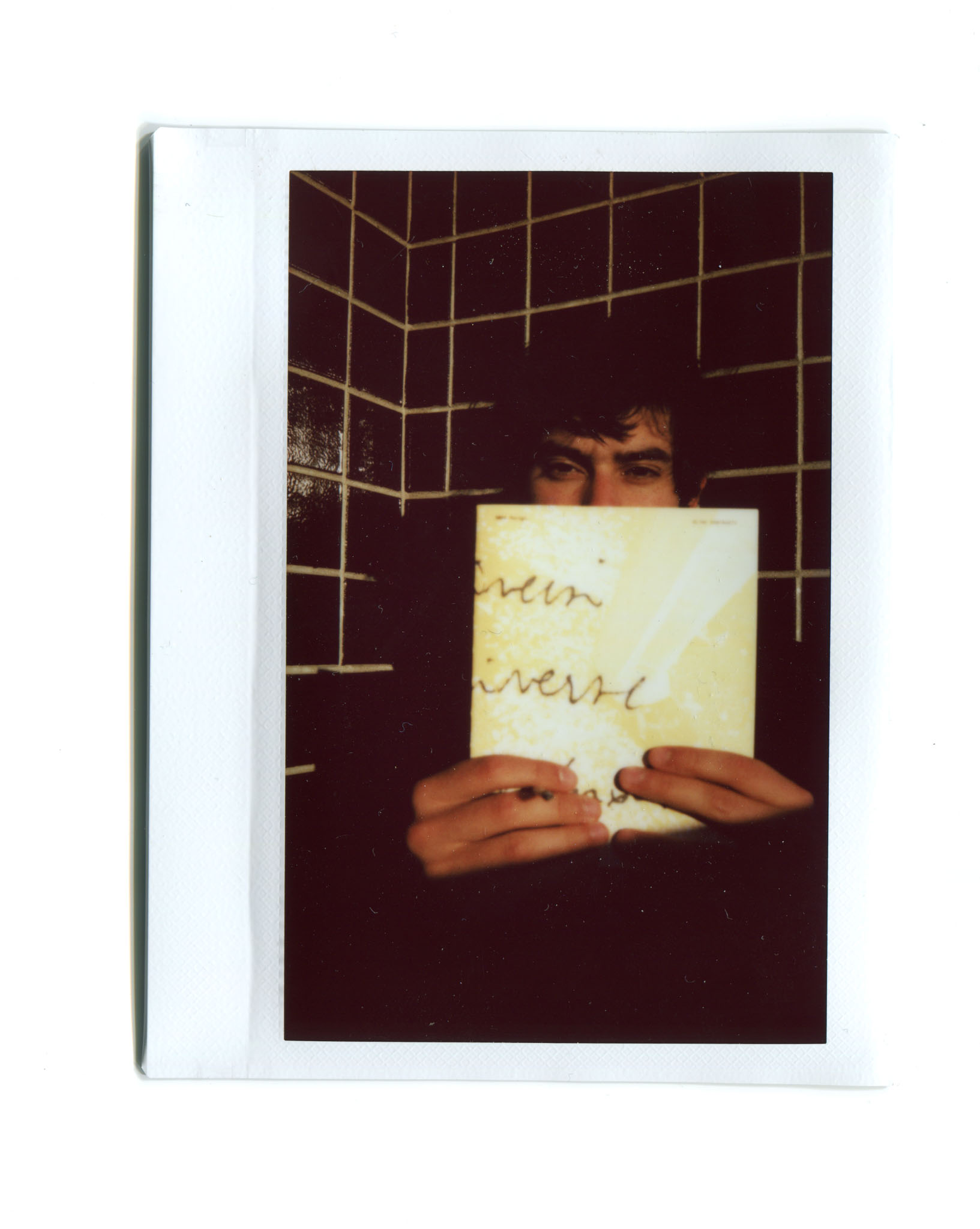
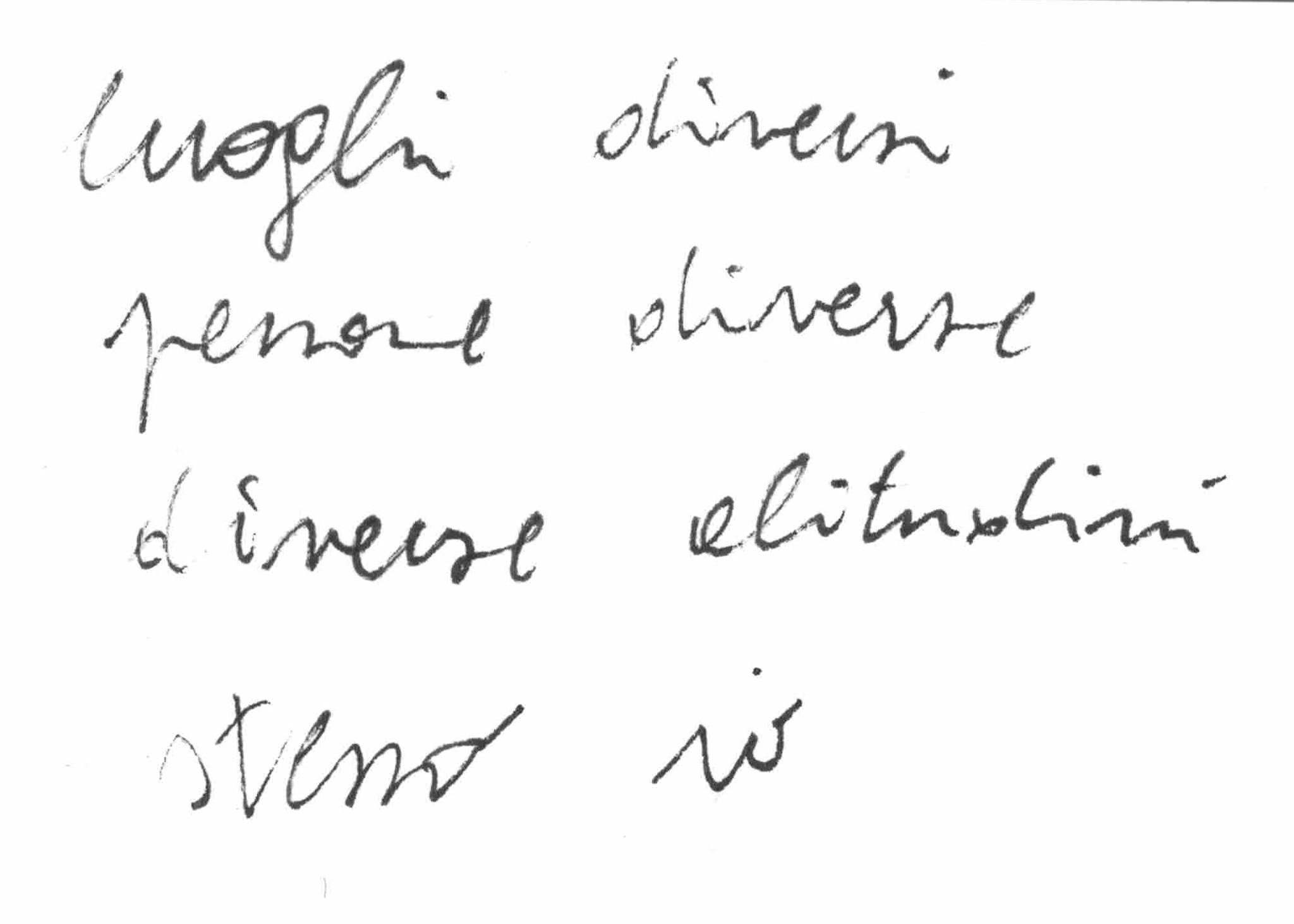
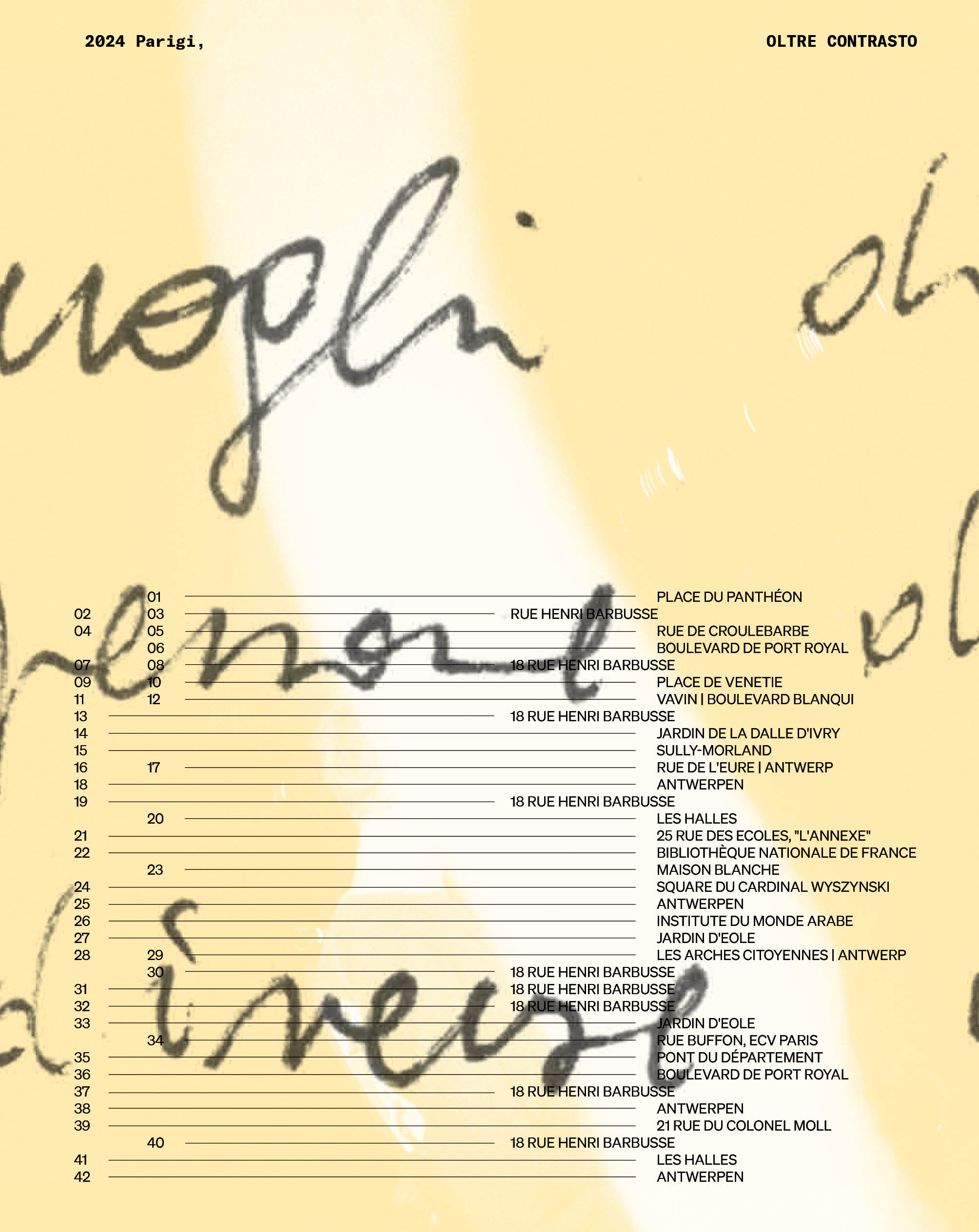
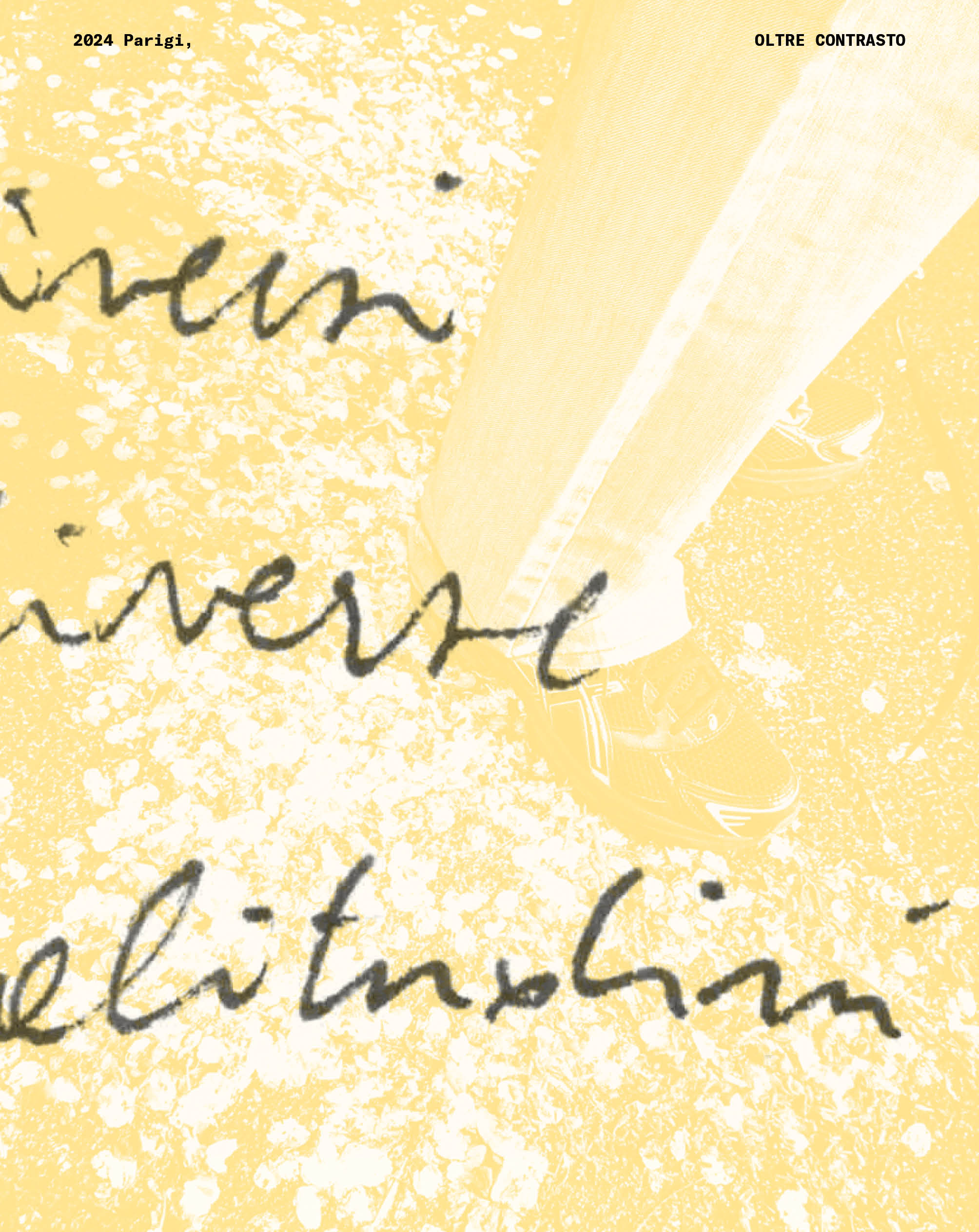
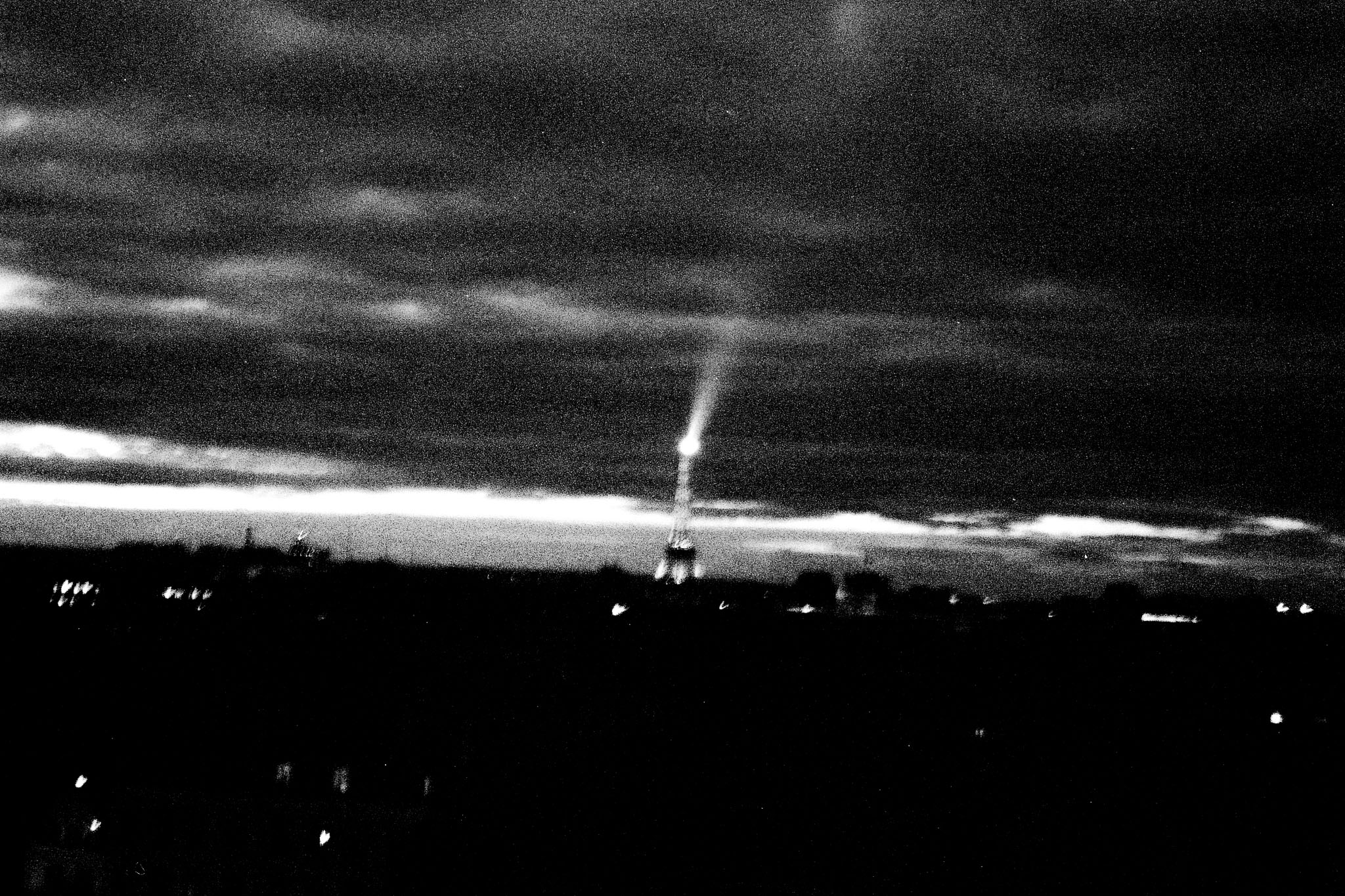
“Oltre Contrasto” marks a shift from the impulse to surpass limits to the need to recognize and inhabit them. The work is not about overcoming boundaries, but about understanding their presence and meaning. It traces a movement away from transcendence and toward humility, confronting what is often resisted: vulnerability, fear, and exposure. Rather than seeking an escape from the human condition, “Oltre Contrasto” returns to it, embracing fragility, imperfection, and the unresolved as essential parts of being human.

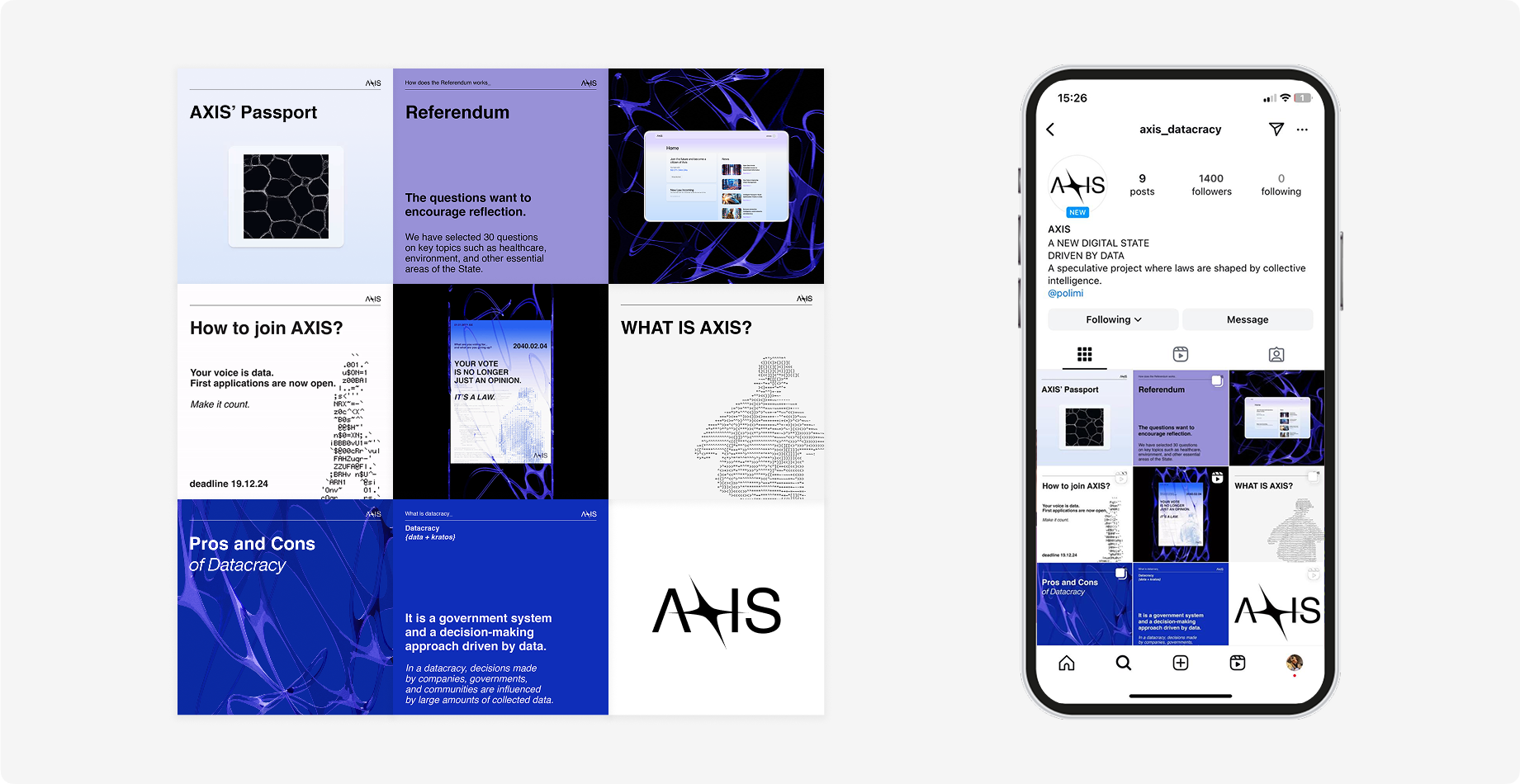
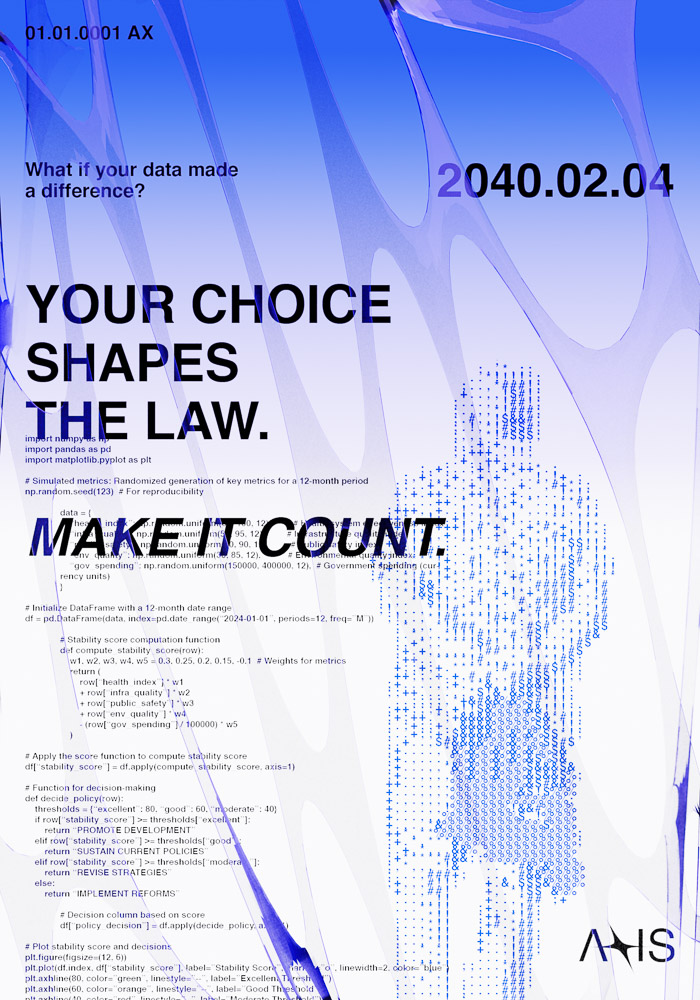
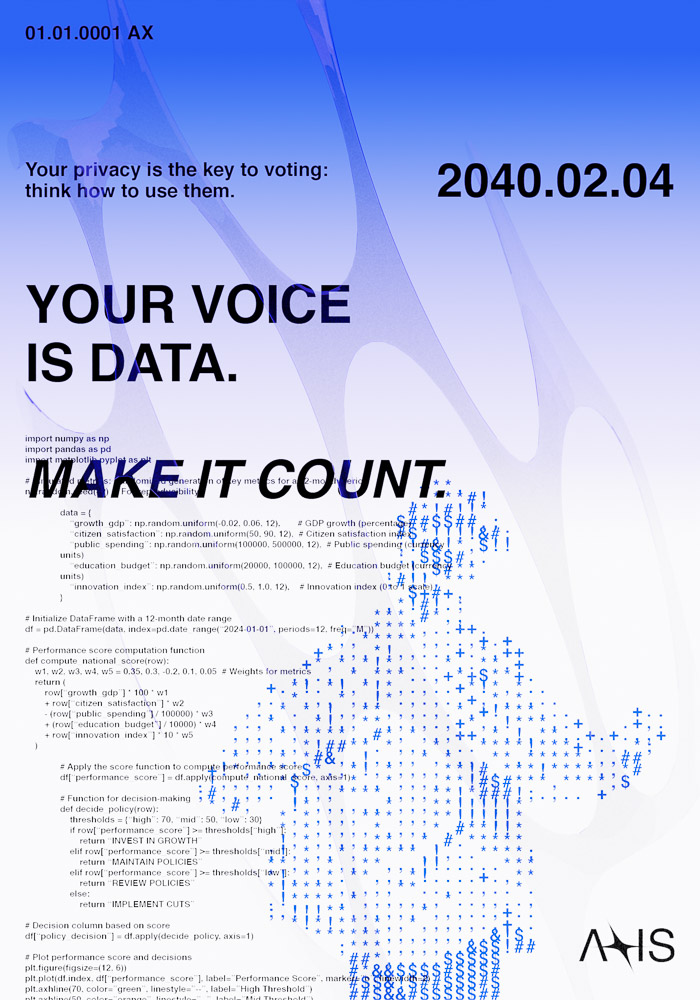
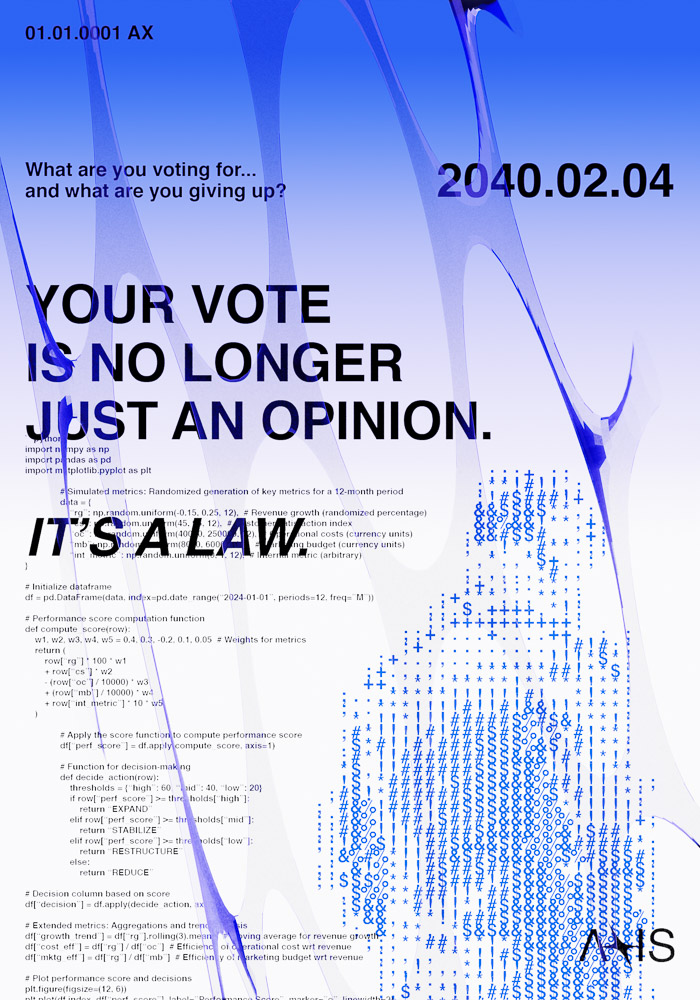
AXIS is a speculative project exploring datacracy, a system where data governs the state through numerical analysis, without human intervention. The project envisions a potential datacratic state in 2040, with no geographical boundaries, where citizens actively participate in lawmaking through data-driven digital referendums. The aim is to provoke reflection on the danger of relying entirely on numbers for political decisions, without human reasoning guiding them, raising questions about the future of global governance. The design was conceived as a potential futuristic aesthetic for the next 20 years, using colors and geometric shapes consistent with the project's concept.

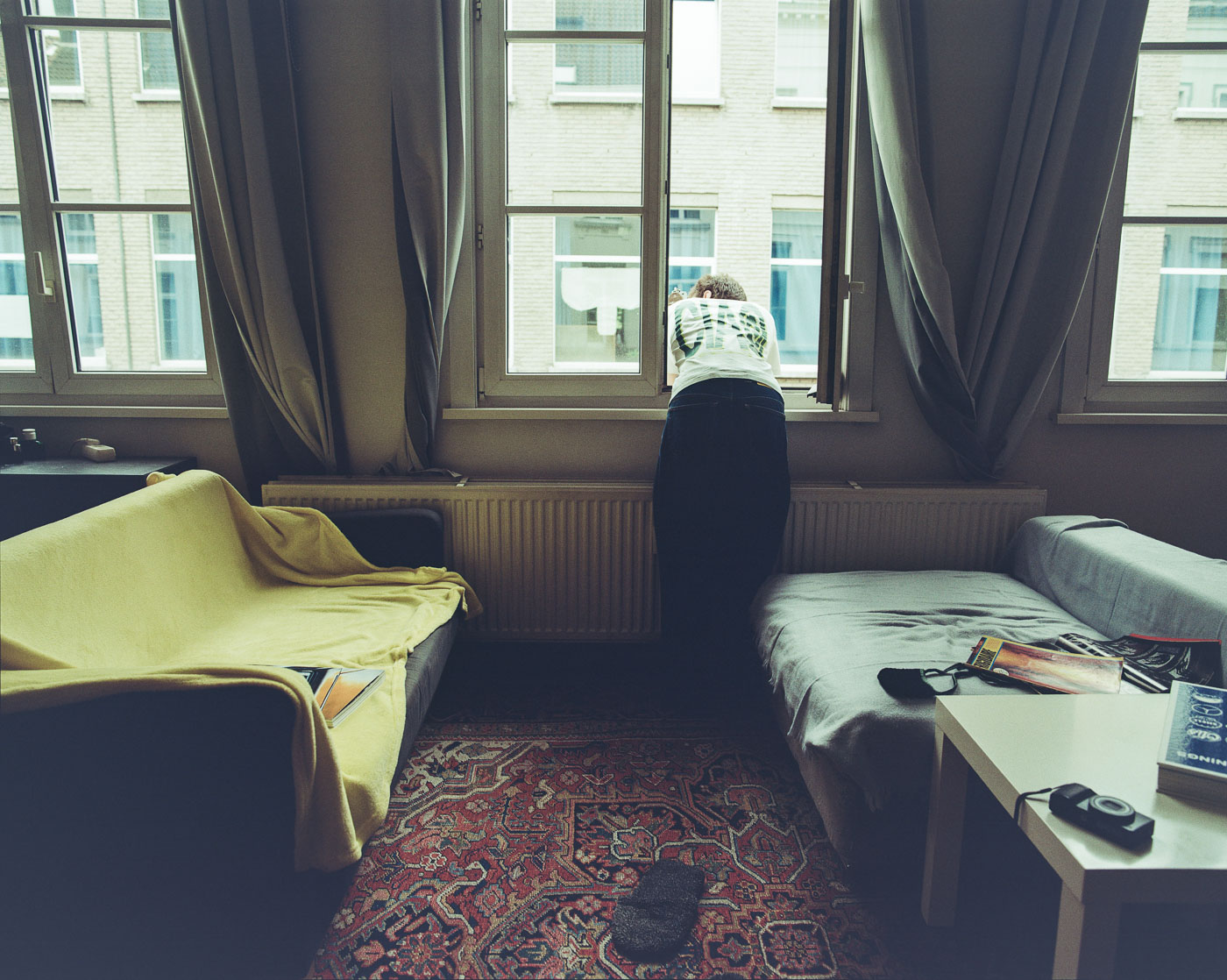


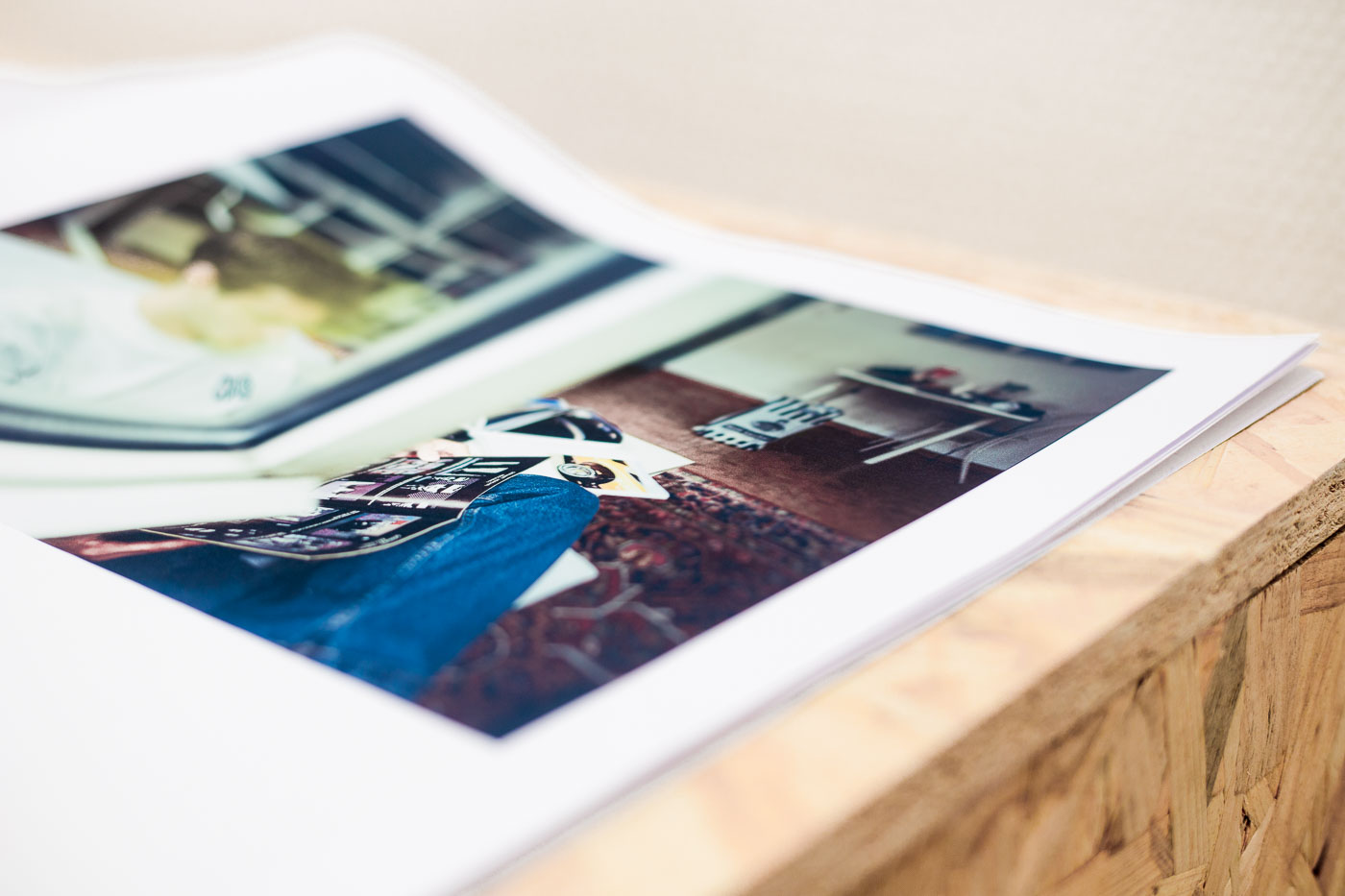
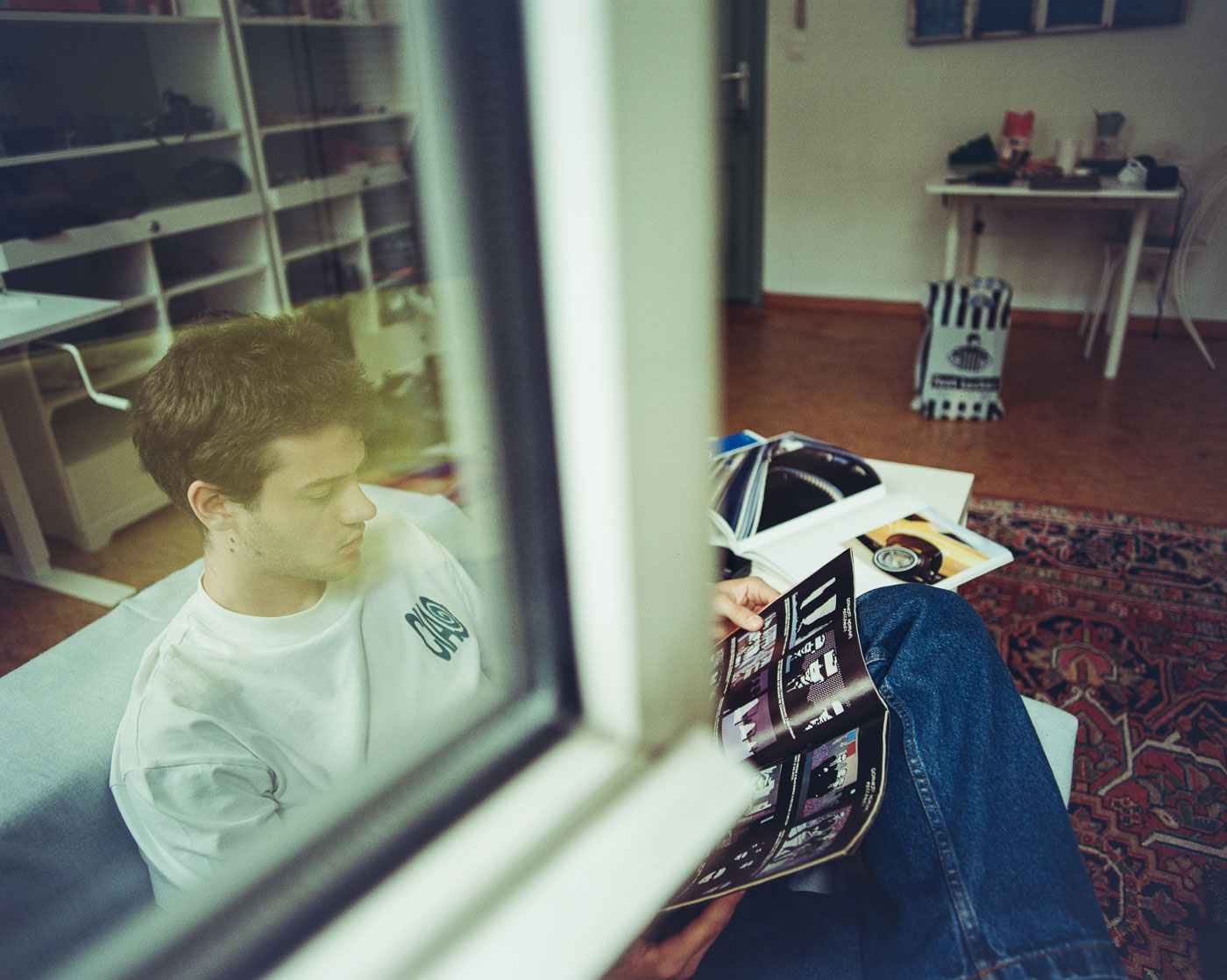
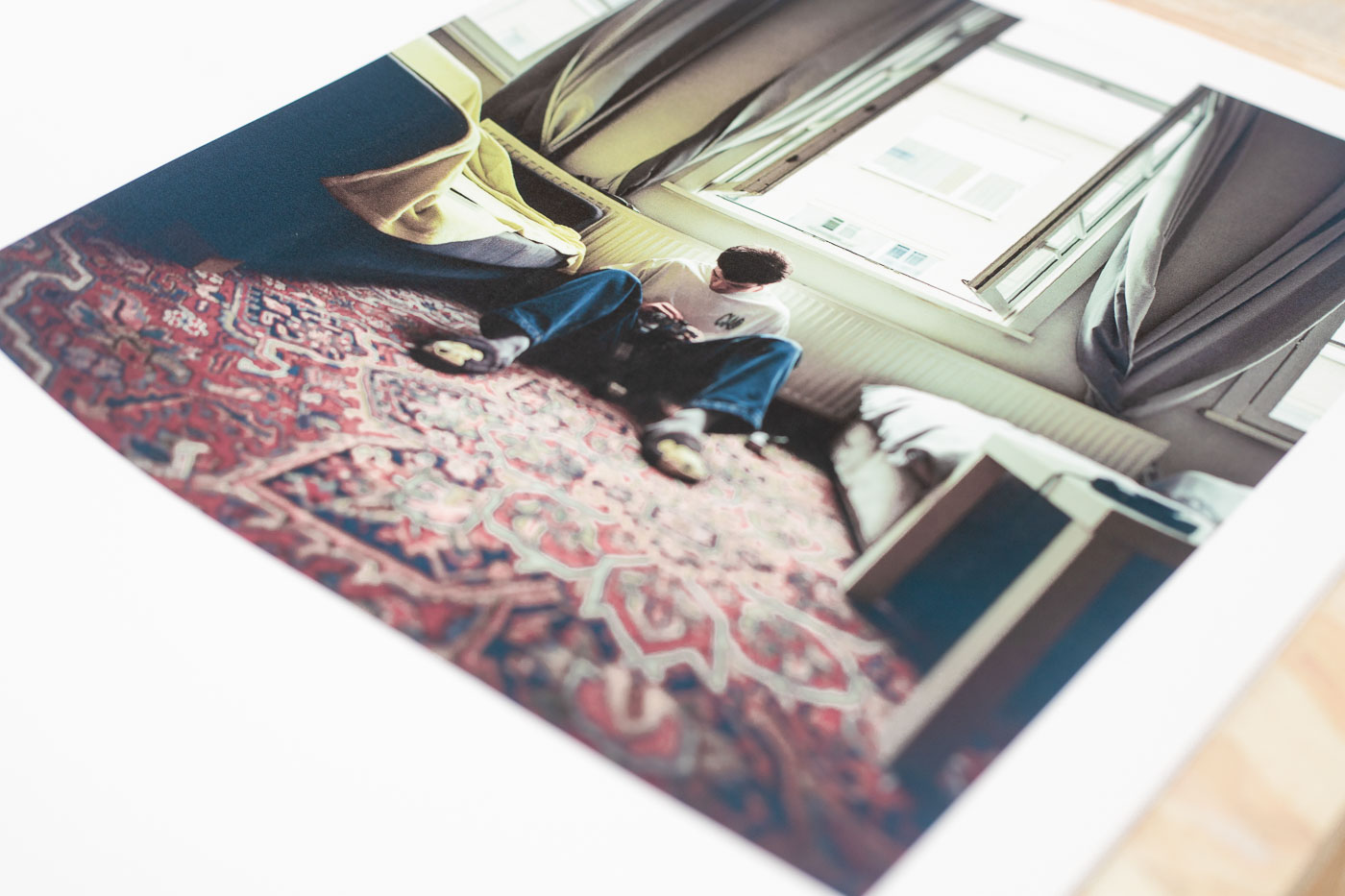
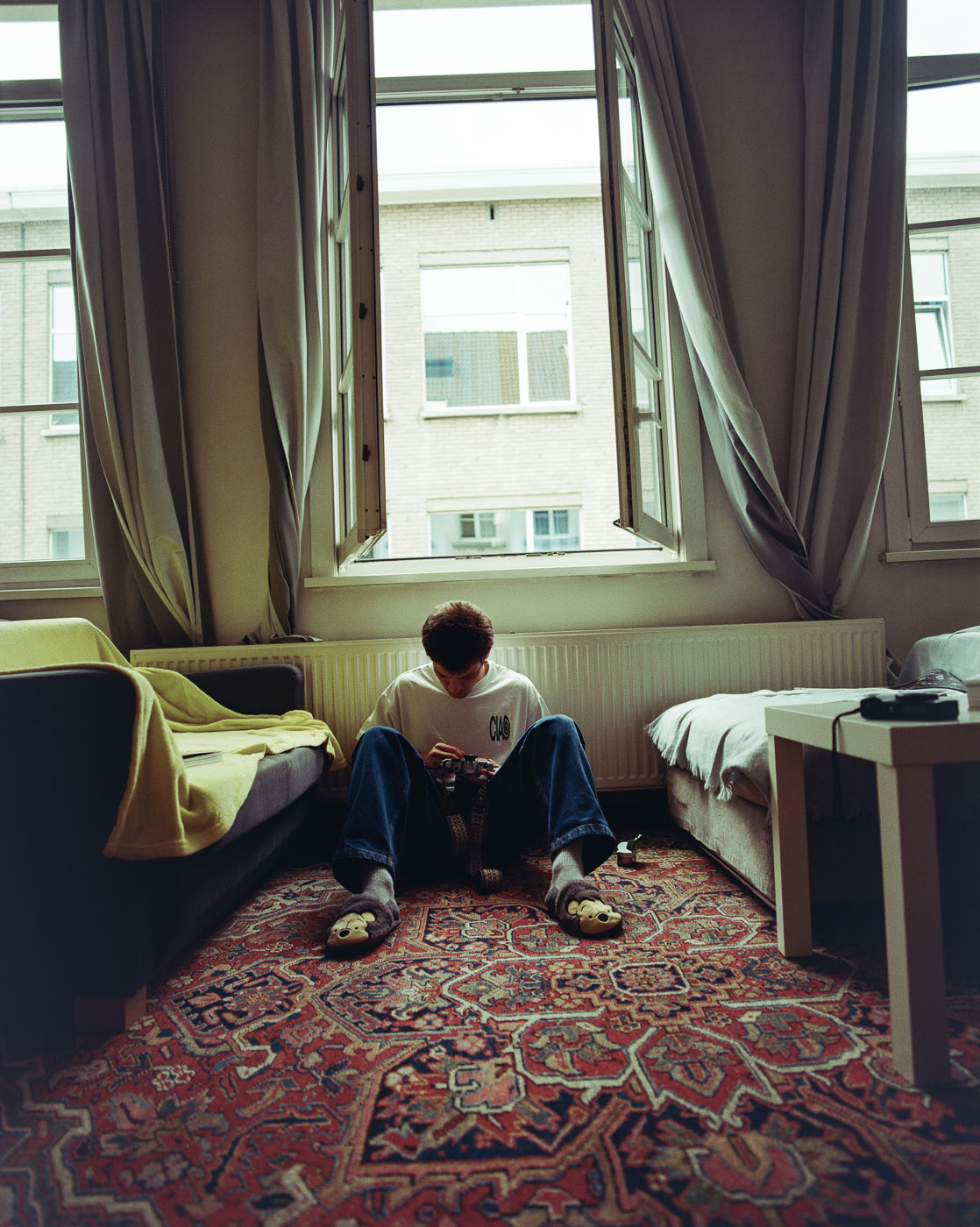
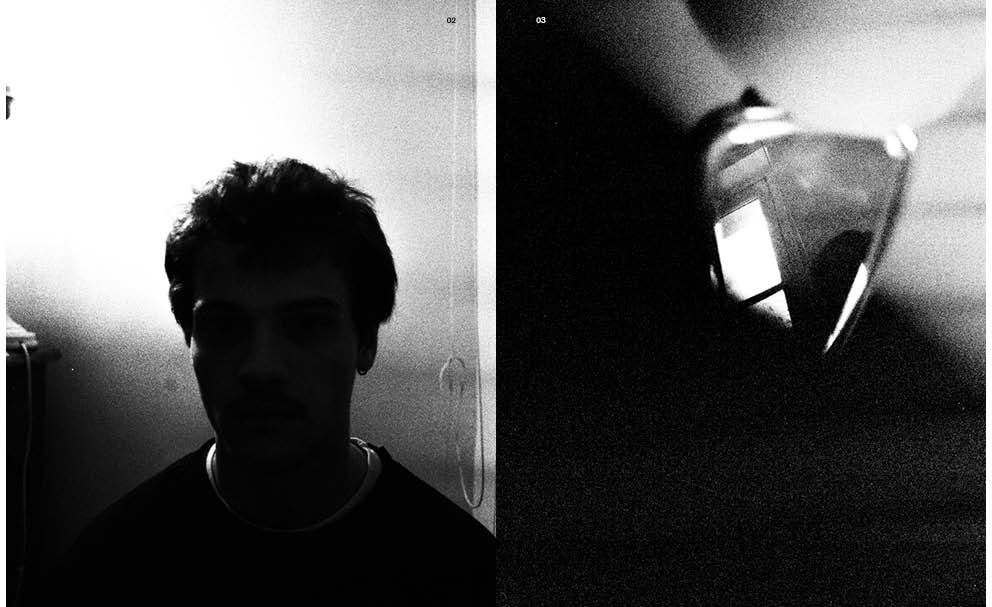
Erasmus is usually imagined as movement and discovery. Here it unfolds through stillness. The project focuses on the student’s relationship with his home, a space that offers comfort and protection but slowly turns into a boundary. Warmth and familiarity become forms of inertia, encouraging retreat rather than exploration. The house emerges as both refuge and limit, revealing how a comfort zone can quietly transform an experience of potential growth into one of isolation.